
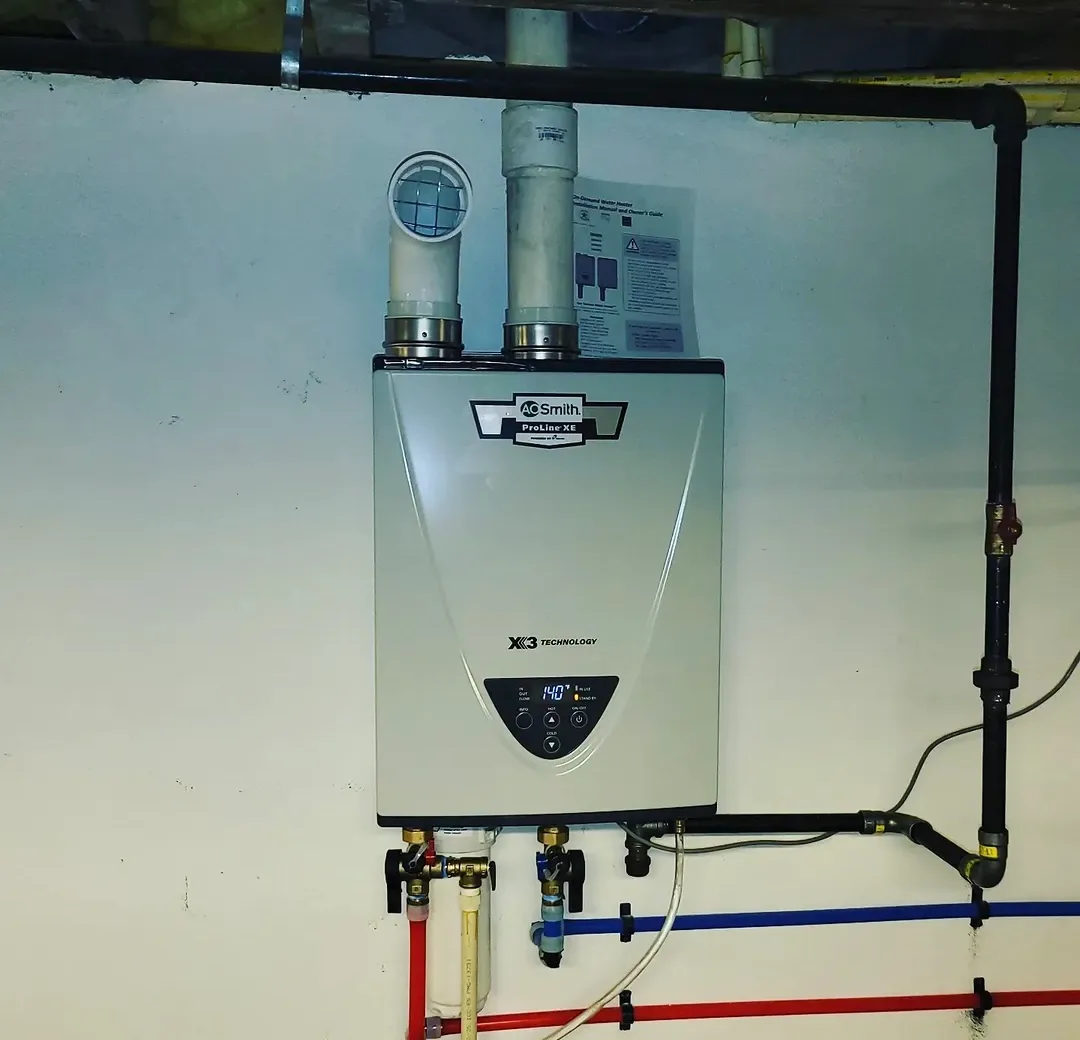
NJ plumbing & heating guide
How Long Does a Water Heater Last?
How long water heaters last in NJ, how hard water shortens tank life to 8–10 years, and how to extend it.
Licensed NJ Master Plumber #13345 · 4.9★ (294 Google reviews)
By Morey Katzourin · NJ Master Plumber License #13345· Bonded & insured
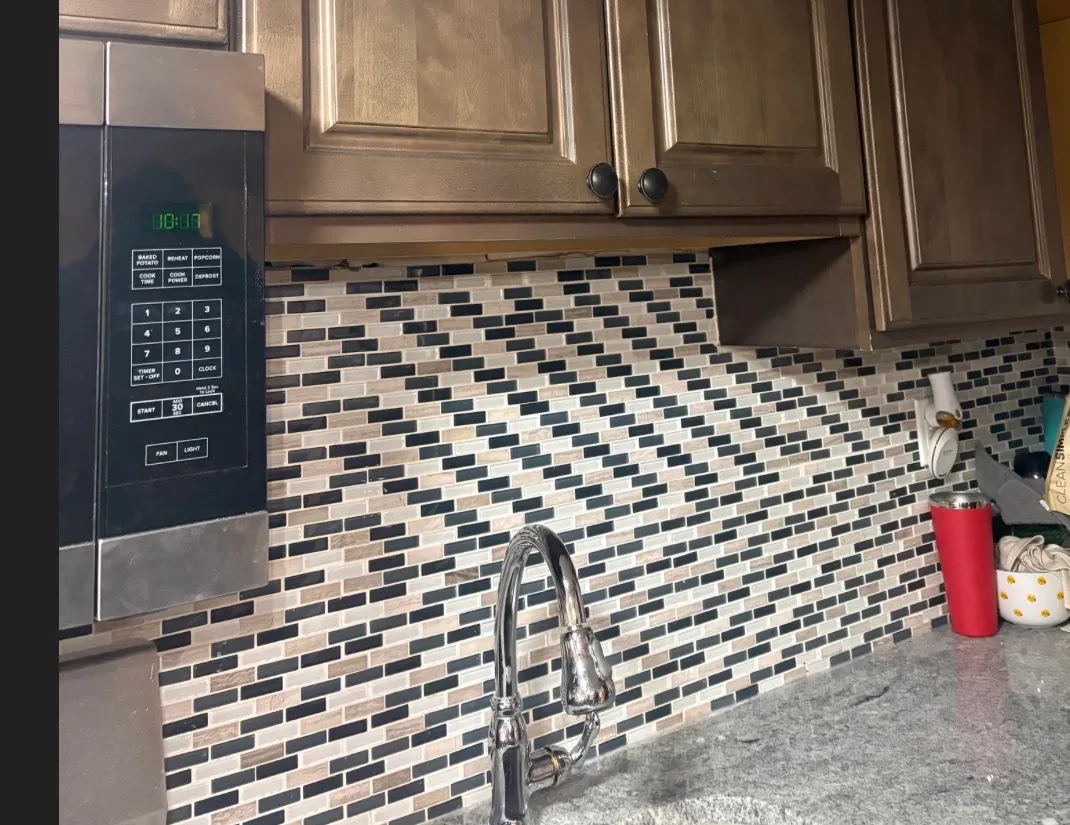
A conventional storage water heater lasts about 8 to 12 years, and a tankless unit 20 or more, according to the U.S. Department of Energy. In northern New Jersey, hard water usually pulls tank life toward the lower end. Age plus warning signs, not a fixed date, is what decides when to replace it.
That last part matters. Homeowners in West Orange and Montclair call us all the time asking "how long does a water heater last" as if there's a countdown clock in the basement. There isn't. A well-maintained tank on soft water can outlive a neglected one by five years, and I've pulled 14-year-old tanks that were fine right next to 7-year-old tanks that rusted through. What follows is the honest version. The real numbers, why NJ water shortens them, the signs your tank is on the way out, and the one cheap trick that actually buys you time.
How Long Does a Water Heater Last on Average?
On average, a tank-style water heater in a New Jersey home lasts 8 to 12 years, while a tankless water heater lasts 20-plus years. The U.S. Department of Energy uses that same 8-to-12 range for storage tanks and rates tankless (instantaneous) units at more than 20 years of service life, because a tankless has no standing tank of water sitting against steel, corroding from the inside out.
Here's the local wrinkle. That 8-to-12 figure assumes average water. Much of northern NJ runs moderately hard, so we tend to see storage tanks give out around the 8-to-10-year mark rather than the textbook 10-to-12. If your tank is a builder-grade unit installed when the house was flipped, knock a year or two off that. Cheaper tanks use thinner steel and a lighter anode rod, and they show it.
Gas versus electric barely changes the tank's lifespan, by the way. What changes it is water quality, sediment, and whether anyone ever maintained the thing. Most people never do.
What Affects Water Heater Lifespan
Five things decide whether your water heater dies at year 8 or year 13, and hard water sits at the top of the list.
Hard water and sediment buildup. Moderately hard NJ water carries dissolved calcium and magnesium. Every time the tank heats, some of that mineral drops out and settles as sediment on the bottom. On a gas unit, that sediment forms an insulating crust between the burner and the water, so the steel superheats and fatigues faster. On electric, sediment buries the lower element and burns it out. Either way, hard water is why local tanks trend to the short end of the range.
The anode rod. This is the part almost no homeowner knows exists, and it's the single biggest lever you have. More on it below, because it deserves its own section.
Usage and gallons per day. A family of five running back-to-back showers cycles the tank far more than a two-person household. More heating cycles, more expansion and contraction of the steel, more wear. A tank sized too small for the home works harder and ages faster.
Install quality. A tank set up without an expansion tank on a closed system (common in newer NJ plumbing with a pressure-reducing valve or check valve at the meter) sees thermal expansion hammer the tank and the T&P valve. Loose or dielectric-free connections invite galvanic corrosion at the fittings. Good installs last longer, full stop.
Fuel type and incoming water temperature. NJ's incoming winter water is cold, sometimes in the 40s Fahrenheit. An aging, sediment-choked tank has to work much harder to raise that water to temperature in January, which is exactly when we get the most "no hot water" emergency calls. Failures cluster in the cold months.
Signs Your Water Heater Is Going Bad
The clearest signs your water heater is going bad are rusty or discolored hot water, popping or rumbling noises, water pooling around the base, and hot water that runs out fast or swings hot to cold. Watch for these
- Rusty or brown hot water. If only the hot side runs discolored, the rust is coming from inside your tank, not the city main. That's corrosion you can see.
- Popping, rumbling, or crackling. That's water percolating up through a thick sediment layer. If you can hear your tank, it's already losing efficiency and edging toward failure.
- No hot water, or it runs out fast. A failed element, a bad thermostat, or a tank so full of sediment there's little room left for actual water.
- Water pooling or dripping at the base. A leak from a fitting is fixable. A leak from the tank body itself is a crack in the steel, and that means replacement, not repair.
- Age past 10 years. Combined with any symptom above, age tips the decision.
- Rising energy bills with no other explanation. A sediment-insulated burner burns more fuel to do the same job.
One symptom on its own might be a cheap fix. A leak from the tank shell, or two or three of these together on a 10-year-old unit, is the tank telling you it's done.
If you're seeing any of this, it's worth having a licensed plumber look before it fails on a Tuesday night. You can talk to a NJ plumber about your water heater and get a straight assessment rather than a guess.
How to Make Your Water Heater Last Longer
You can add years to a tank's life with maintenance most people skip, and the cheapest fix is the one nobody talks about. The anode rod.
The anode rod is a sacrificial metal rod that screws into the top of the tank. It's designed to corrode instead of your tank, drawing the corrosion to itself. Once it's eaten away, usually around year 5 or 6 on hard water, the corrosion moves on to the steel tank walls. Replacing a depleted anode rod is a modest part and an hour of labor, and doing it before it's fully gone can add years to a tank you'd otherwise be replacing. Nearly no NJ homeowner knows the part exists, let alone checks it. If you do one thing after reading this, have your anode rod inspected around year 5.
The rest of the maintenance list
Flush the tank once a year. Draining a few gallons off the bottom clears sediment before it insulates the burner. The Department of Energy recommends periodic flushing to maintain performance, and on NJ hard water, once a year is the right cadence. If you flush and the water runs milky with grit, you waited too long, but it's still worth doing.
Test the T&P valve. The temperature and pressure relief valve is a safety device that dumps water if the tank overpressurizes. Lift the lever once a year to confirm it releases and reseats. A stuck T&P valve is a genuine hazard.
Set the temperature to 120°F. Higher settings speed corrosion and scald risk while burning more fuel. 120 is the sweet spot for most homes.
Consider filtration or softening. If your home runs hard, a whole-house softener or filter reduces the sediment load on the tank and everything else. It's the upstream fix.
Repair or Replace? How to Decide
The rule of thumb. If the repair costs more than about half the price of a new unit, and the tank is near the end of its life, replace it. A $200 thermostat on a 6-year-old tank is an easy repair. A major fix on an 11-year-old tank that's already rumbling is money you'll spend again in a year.
The dividing line is the tank body. Anything outside the tank (thermostat, element, valve, thermocouple, anode rod) is usually worth repairing. A leak from the tank itself is not repairable, because you can't patch corroded steel that holds 40-plus gallons under pressure. That's a replacement.
If you want the full breakdown, we walk through it on whether to repair or replace your water heater, and you can check real numbers on water heater replacement cost in NJ before you call anyone. For the work itself, water heater repair and replacement in NJ covers both tank and tankless, and as a Navien Certified shop we handle high-efficiency and tankless upgrades too.
FAQ
Frequently asked questions
24-hour, Sun–Fri availability
Not seeing your question? Call or text and a licensed plumber will talk it through, no answering service run-around.
Call or Text (908) 376-9159The clearest signs are rusty or discolored hot water, popping or rumbling from sediment, water pooling around the base, and hot water that runs out fast or fluctuates. Rising energy bills and an age past 10 years add to the case. A leak from the tank body, not a fitting, means replacement, not repair. Have it assessed before it fails.
Keep reading
More NJ plumbing & heating guides
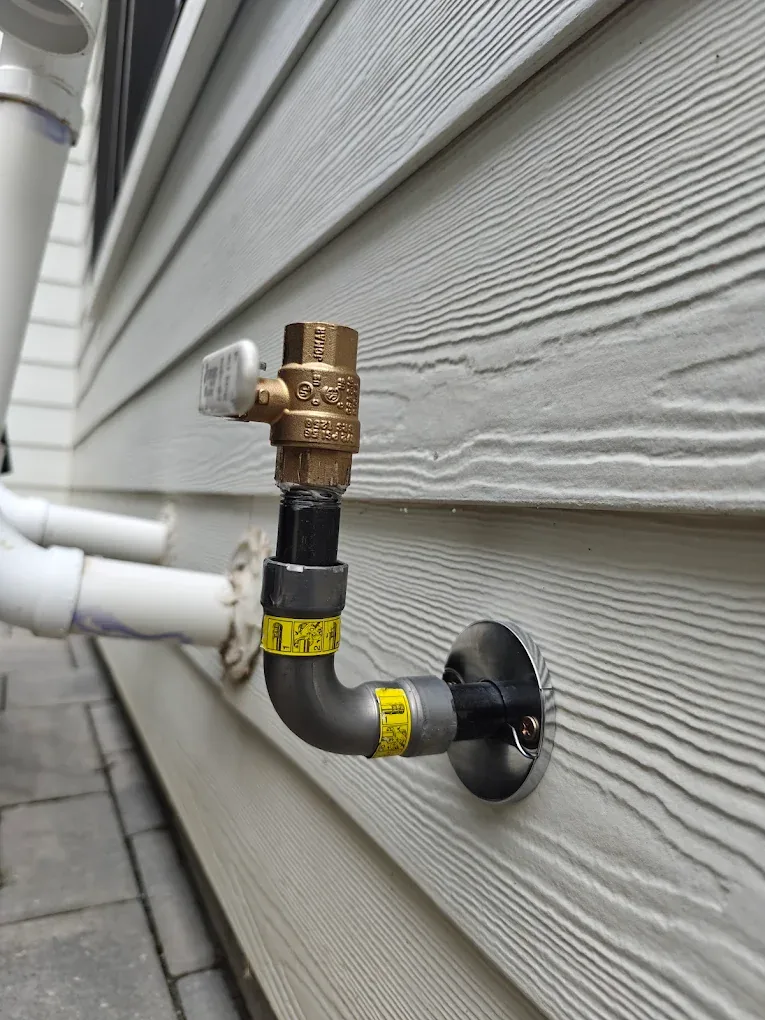
What Is Backflow Testing? NJ Rules Explained
Backflow testing explained for NJ. Who must test, the annual NJDEP mandate, RPZ/DCVA, and the Certificate of Compliance. Call (908) 376-9159.
Read the guide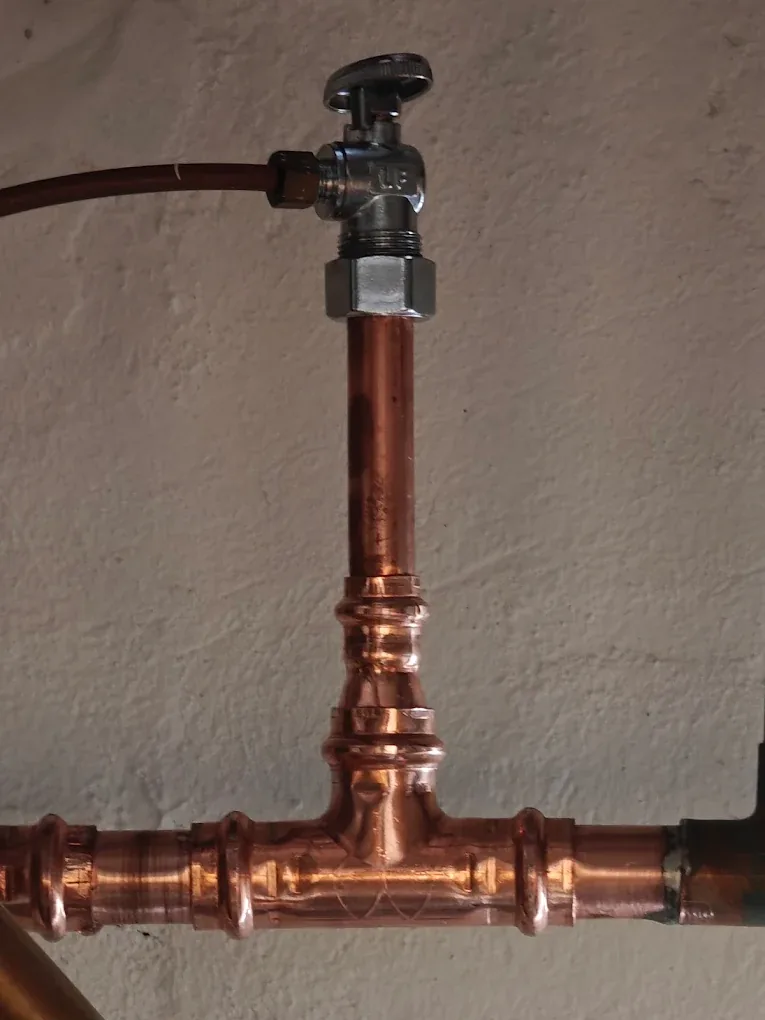
Frozen Pipe? What to Do Right Now
Frozen pipe? Step-by-step on what to do right now to prevent a burst, and when to call a 24hr Sun-Fri NJ plumber. Call (908) 376-9159.
Should You Repair or Replace Your Water Heater?
When to repair vs replace a water heater in NJ, age, cost and safety rules of thumb from a licensed plumber. Call (908) 376-9159.