
NJ plumbing & heating guide
Frozen Pipe? What to Do Right Now
Frozen pipe? Step-by-step on what to do right now to prevent a burst, and when to
Licensed NJ Master Plumber #13345 · 4.9★ (294 Google reviews)
By Morey Katzourin · NJ Master Plumber License #13345· Bonded & insured
If a pipe just froze, here is what to do if pipes freeze, in order. Shut off your main water valve, open the affected faucet to relieve pressure, and gently warm the pipe. If it has already burst, kill the water first and call a 24-hour plumber. This is written for a freezing New Jersey night, and Maccabi Plumbing & Heating answers live 24 hours a day, Sunday through Friday. One thing most guides get wrong. You thaw from the open faucet end and work back toward the ice, not by heating the frosted spot you can see.
Burst pipe right now? Call (908) 376-9159. We answer live, day or night, Sunday through Friday.
What to Do the Moment a Pipe Freezes (Step by Step)
The moment you suspect a frozen pipe, protect the house before you thaw anything. Work through these steps in order.
- Shut off the main water valve. It is usually where the water line enters the house, often near the meter in the basement or a crawlspace. This is the single most important step, because it caps how much water can escape if the pipe has already split.
- Open the affected faucet. Turn on the tap the frozen pipe feeds, both hot and cold. Running water and an open outlet give the melting ice somewhere to go and relieve the pressure that actually causes bursts.
- Find the frozen section. Look for frost on the pipe, a bulge, or the run that serves the dead faucet. Exposed lines in cold spots are the usual suspects.
- Warm the pipe gently. Use a hair dryer, a space heater kept clear of anything flammable, heat tape, or towels soaked in hot water. Never use a blowtorch, a propane heater, or any open flame on a pipe.
- Thaw from the faucet end backward. Start warming the pipe nearest the open faucet and move slowly toward the frozen center. This lets melt water and steam escape instead of getting trapped behind the ice.
- Call a plumber if it burst or you cannot reach it. If the pipe is inside a wall, under the slab, or already leaking, stop and call. Maccabi answers 24 hours a day, Sunday through Friday, at (908) 376-9159.
How to Tell If a Pipe Is Frozen (or Already Burst)
A frozen pipe usually announces itself when nothing comes out of the tap on a cold morning. The most common sign is no water or a weak trickle from one fixture while the rest of the house runs fine. Look for a coat of frost on an exposed pipe, and listen for banging or whistling in the walls when you open a faucet, which is water forcing past a partial ice plug.
If a pipe has already burst, the signs are louder. Water where it should not be, a hissing or rushing sound behind a wall, a sudden drop in pressure everywhere, a sagging ceiling, or a musty smell hours later. When you see standing water, treat it as a burst and shut the main immediately.
How to Thaw a Frozen Pipe Safely
Safe thawing is slow and boring, and that is the point. Keep the faucet open the entire time so the pressure never has a place to build. The American Red Cross puts it plainly in its frozen-pipe guidance. Keep the faucet open as you treat the pipe, because running water through it helps melt the ice.
Approved heat sources are a hair dryer, an electric heating pad wrapped around the pipe, heat tape, a portable space heater at a safe distance, and towels soaked in hot water. Move the heat along the pipe rather than parking it on one spot.
The never-do-this list matters more than the do list. Never use a blowtorch, a kerosene or propane heater, or a charcoal stove on a pipe. Open flame is how a frozen-pipe call turns into a house fire, and it can crack the pipe from thermal shock even if it does not ignite anything. And never leave the faucet closed while you heat the line. A sealed pipe with expanding ice inside is exactly the setup that splits.
What to Do If the Pipe Bursts
A burst pipe is a race against water volume, so move fast. Shut the main valve, then open the lowest faucets in the house to drain the system down. A burst pipe can release hundreds of gallons of water a day (Insurance Institute for Business & Home Safety), so every minute the main stays open adds to the damage.
Next, cut power to any area where water is pooling near outlets or the panel, and only do that if you can reach the breaker safely and dry. Move furniture, rugs, and anything on the floor out of the water, and start soaking up standing water with towels or a wet vac. Photograph everything before you clean up, because your insurer will want to see the damage. If the burst is dumping water near a gas water heater or a boiler, and you can reach the shutoff safely, kill the gas to that unit too, and take a wide shot plus a few close-ups of the split pipe itself. Those close-ups are what usually settles a claim. Then call a plumber. We answer live 24 hours a day, Sunday through Friday, at (908) 376-9159, and you can also reach a 24-hour emergency plumber through the site.
Talk to a Monday-through-Friday NJ plumber now (908) 376-9159.
Why NJ Pipes Freeze, and Which Ones Go First
New Jersey pipes freeze during the overnight cold snaps that push lows well below freezing, and the same pipes go first every time. Uninsulated pipes are at risk once temperatures fall to around 20°F, per the Building Research Council at the University of Illinois. That threshold is not the air temperature outside so much as the temperature in the space around the pipe, which is why an exposed line in a 20-degree crawlspace freezes while the same water in a heated wall stays liquid.
In older northern-NJ homes, the vulnerable runs are predictable. Supply lines threaded through exterior walls with little or no insulation, pipes in unheated crawlspaces and garages, and lines in basements that never get above the low 40s are the first to go. Pre-1950 housing stock is especially exposed, because insulation practices back then did not account for a pipe run on a cold outside wall. Homes on well water or with old galvanized lines add another risk, since a freeze at the meter or main can knock out the whole house at once.
The other spot people forget is the pipe that serves a kitchen sink on an exterior wall. In a lot of older NJ houses the run comes up inside that outside wall with the sink cabinet closed tight against it, so the pipe sits in a pocket of cold air the furnace never reaches. That is why opening the cabinet doors during a cold snap does more than it looks like it should. It lets room heat into the one space the pipe cannot get warm on its own.
Here is the detail that trips people up. The pipe that freezes is often not the pipe that bursts where you can see it. Ice expands and drives pressure down the line toward any closed faucet, and the split usually opens in that pressurized section, not at the frosted spot. That is why you keep the faucet open and thaw from the open end backward, and why heating only the visible frost can leave the real trouble spot still building pressure.
How to Prevent Frozen Pipes This Winter
Prevention is cheaper than a burst, and most of it takes an afternoon. During a hard cold snap, let a faucet on an exterior wall drip so water keeps moving, and open the cabinet doors under sinks so heat reaches the pipes. Longer term, insulate exposed runs in the basement, crawlspace, and garage, add heat tape to the lines that keep freezing, keep the thermostat at 55°F or higher even when you are away, and seal the drafts that let cold air reach pipes. If the same line freezes every winter, that is a sign the pipe is in the wrong place or the run is worth replacing old NJ pipes with a better path. For a full walk-through, see our guide on how to prevent frozen pipes in older NJ homes.
When to Call a Plumber
Call a plumber when the pipe has burst, when you cannot find or reach the frozen section, when the whole house has lost water, or when the same line keeps freezing year after year. Those are the cases where DIY runs out and a licensed hand saves you money instead of costing it. Maccabi Plumbing & Heating holds NJ Master Plumber License #13345, and we come out for burst pipes 24 hours a day, Sunday through Friday. If you want a sense of the numbers first, here is what an emergency plumber costs in NJ.
FAQ
Frequently asked questions
24-hour, Sun–Fri availability
Not seeing your question? Call or text and a licensed plumber will talk it through, no answering service run-around.
Call or Text (908) 376-9159Shut off your main water valve first, then open a faucet to relieve pressure and drain the line. Move belongings and soak up standing water, cut power to any wet area if you can do it safely, and call a 24-hour plumber. Photograph the damage for insurance. Maccabi answers live, Sunday through Friday, at (908) 376-9159.
Keep reading
More NJ plumbing & heating guides
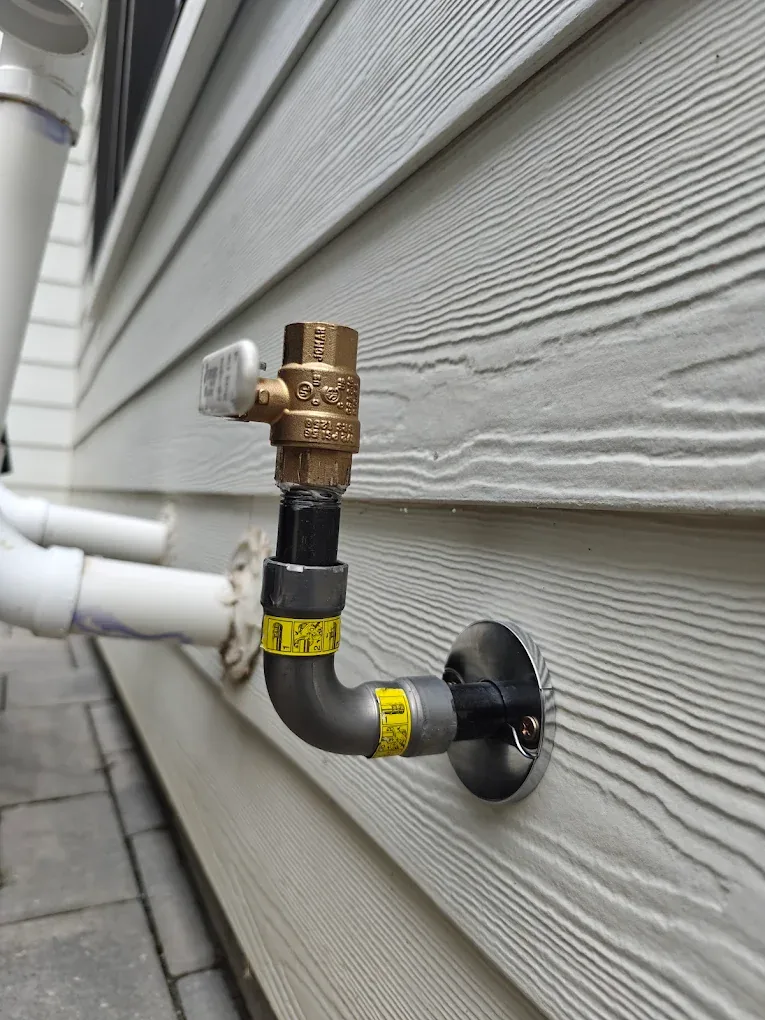
What Is Backflow Testing? NJ Rules Explained
Backflow testing explained for NJ. Who must test, the annual NJDEP mandate, RPZ/DCVA, and the Certificate of Compliance. Call (908) 376-9159.
Read the guide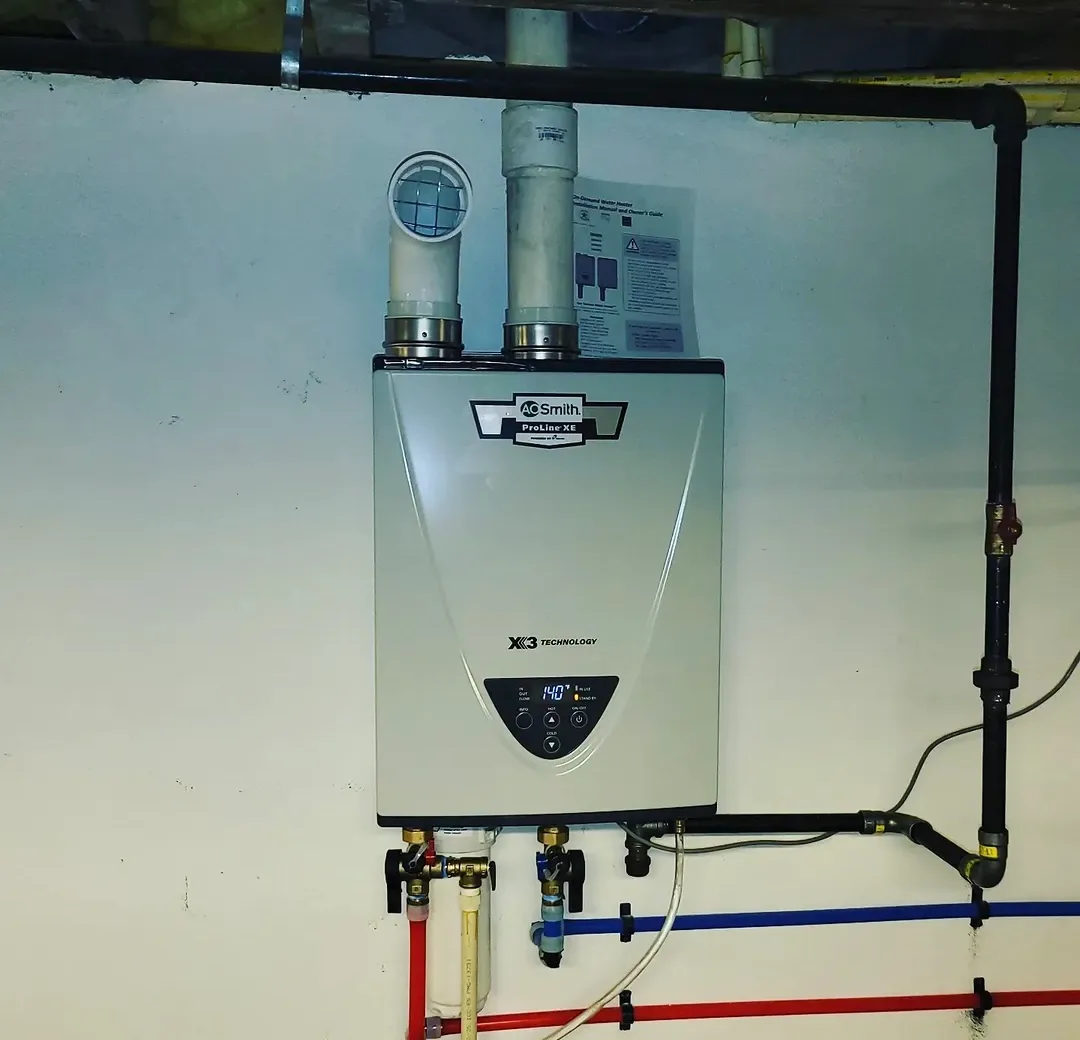
Should You Repair or Replace Your Water Heater?
When to repair vs replace a water heater in NJ, age, cost and safety rules of thumb from a licensed plumber. Call (908) 376-9159.
Why Sump Pumps Fail During Storms
Why sump pumps fail during NJ storms, power loss, stuck floats, overload, and how backups prevent flooding. Read the full guide.