NJ plumbing & heating guide
NJ Clean Energy Rebates for Water Heaters & Boilers
NJ Clean Energy rebates for high-efficiency water heaters, tankless & boilers, who qualifies and how to claim them.
Licensed NJ Master Plumber #13345 · 4.9★ (294 Google reviews)
By Morey Katzourin · NJ Master Plumber License #13345· Bonded & insured
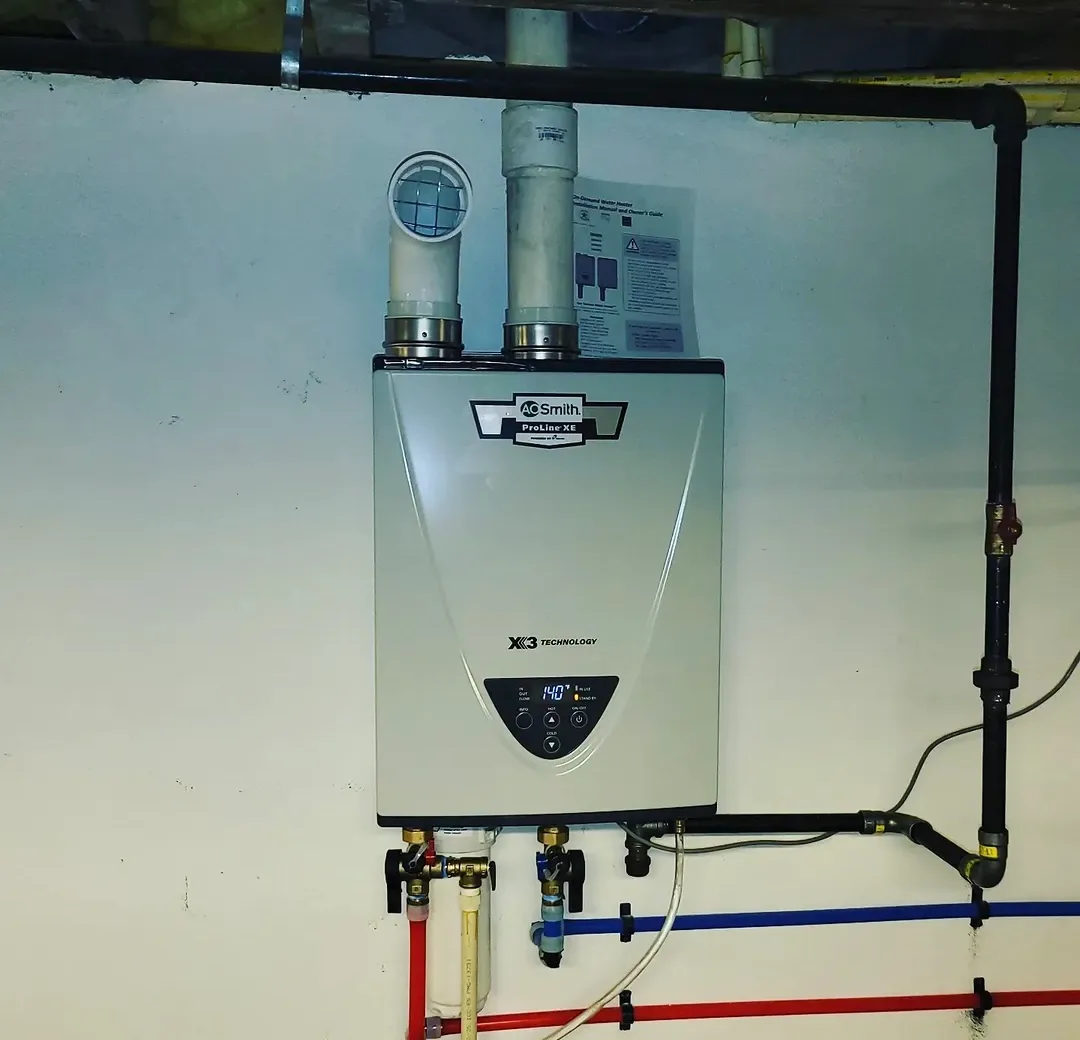
If you are shopping for a NJ water heater rebate before you replace an aging tank or boiler, real money is on the table, and most of it comes from two places at once. New Jersey homeowners can tap state incentives through the NJ Clean Energy Program, run by the New Jersey Board of Public Utilities, and often stack a federal tax credit on the same qualifying unit. Heat-pump water heaters, high-efficiency tankless models, and high-AFUE boilers are exactly the equipment these programs reward. One honest caveat up front. Rebate amounts, eligibility rules, and deadlines change from year to year, so confirm the current figures before you buy. This guide maps what exists, what qualifies, and the paperwork step that quietly costs people the money they were owed.
Are There Rebates for Water Heaters and Boilers in NJ?
Yes. New Jersey homeowners can get incentives for high-efficiency water heaters and boilers through the NJ Clean Energy Program (administered by the NJ Board of Public Utilities), often stacked with a federal ENERGY STAR / IRS tax credit. Heat-pump water heaters, high-efficiency tankless units, and high-AFUE condensing boilers typically qualify. Rebate amounts change, so confirm current figures before you buy. ()
The reason this matters more in northern NJ than almost anywhere. The housing stock. A lot of the boilers we pull out of pre-1950 colonials in Montclair and West Orange are running at efficiency numbers that would make a modern unit look like a different machine. That old equipment is precisely what these programs were designed to retire.
The NJ Clean Energy Program (NJCEP), Explained
The NJ Clean Energy Program is the state's residential energy-efficiency incentive program, funded through utility bills and administered by the New Jersey Board of Public Utilities (BPU). It offers rebates and financing toward qualifying HVAC and water-heating equipment for homeowners across the state, and it runs alongside utility-delivered programs from providers like PSE&G.
In practice that means a homeowner in Clifton or Livingston may be able to claim through NJCEP, through their own utility's efficiency program, or both, depending on the equipment and the year's offers. The catch is that the specific rebate dollars, the qualifying model tiers, and the application windows are the parts that move. A figure someone quoted you eighteen months ago may already be stale. Always confirm the current offer at njcleanenergy.com or with your utility before you commit to a unit. ()
Which Equipment Qualifies
The equipment that earns a rebate is defined by efficiency, not brand, and the two numbers that decide it are UEF for water heaters and AFUE for boilers. UEF (Uniform Energy Factor) rates how much of the energy a water heater actually turns into hot water. AFUE (Annual Fuel Utilization Efficiency) does the same for a boiler across a heating season. Programs set a minimum tier, and only units at or above it qualify. ()
A word of caution before you fall in love with a specific model. Confirm it meets the current program tier first, then buy. The tiers move, and a unit that qualified last season can drop off the list when a program updates its minimums. Checking the tier before you order is a five-minute step that protects the whole rebate.
Three categories carry most of the incentives
- Heat-pump water heaters. These pull heat from the surrounding air instead of generating it directly, which is why ENERGY STAR–certified heat pump water heaters use roughly 70% less energy than a standard electric model (ENERGY STAR / U.S. Department of Energy). () They need some basement air volume to work well, which most older NJ homes have. See our high-efficiency water heater installation page for how we fit them.
- High-efficiency and tankless water heaters. A condensing gas or tankless water heater installation that meets the program's UEF tier can qualify. We are Navien Certified, so we install and document the high-efficiency and combi units these programs target.
- High-AFUE and condensing boilers. Modern condensing boilers can reach 90%+ AFUE, versus roughly 80% for the older units they replace (U.S. Department of Energy). () That efficiency gap is the whole point of a high-efficiency boiler replacement, and it is what the rebate is paying you to close.
Federal Incentives You Can Stack
Beyond the state, the federal Energy Efficient Home Improvement Credit (IRS Section 25C) lets you claim a tax credit on qualifying high-efficiency equipment. As of the 2026 guidance, that has meant a credit of up to $600 for a qualifying water heater or boiler and up to $2,000 for a heat-pump water heater, attributed to IRS / U.S. Department of Energy. () There is also a separate DOE Home Energy Rebates framework rolling out through the states, which is worth checking for its status in NJ when you plan a project.
The useful part for a homeowner is that a state rebate and a federal tax credit generally draw on different funding, so many people can claim both on a single qualifying unit. That stacking is the piece the national vendor pages skip, because they are not writing for New Jersey. Caps and rules shift, so verify current eligibility with NJCEP and IRS/DOE guidance for your tax year before you count on a number.
One detail worth planning around. The federal credit is claimed on your tax return, not handed to you at the register, and it is nonrefundable, meaning it reduces the tax you owe rather than paying out as cash beyond that. The state and utility rebates, by contrast, usually come back as a check or bill credit after you submit the application. So the timing and the form of the money differ even when you qualify for both, which is worth knowing before you decide how tight your replacement budget is.
How to Claim a Rebate, Step by Step
Claiming a rebate is a sequence, and doing the steps out of order is how people forfeit the money. Here is the order that works
- Confirm the current program and amount at njcleanenergy.com, your utility, and energystar.gov before you buy anything. Amounts and tiers are the volatile part.
- Choose a qualifying unit that meets the current ENERGY STAR / UEF or AFUE tier the program requires, and confirm it appears in the AHRI directory.
- Use a licensed installer. Most efficiency rebates require professional installation, not a DIY or off-book job.
- Keep every document the licensed-contractor invoice, the model and serial numbers, and the AHRI or ENERGY STAR certificate for the exact unit installed.
- Submit before the deadline through the state, utility, or your tax return, whichever the program uses.
Why Professional Installation Matters for Eligibility
The eligibility-killer almost nobody warns you about. Most efficiency rebates require a licensed-contractor invoice plus the ENERGY STAR or AHRI certificate for the exact model installed, and a DIY or cash-under-the-table install usually voids the incentive entirely. People do the math on the unit, save a few hundred on labor by going off-book, and quietly lose a rebate worth more than they saved.
As a licensed NJ master plumber (License #13345), owner Morey Katzourin's crew installs qualifying high-efficiency equipment and hands you the model, serial, and AHRI documentation you need for the claim. () We are bonded and insured, and the same paperwork that satisfies the rebate also satisfies the NJ permit and inspection your replacement legally needs.
The AHRI certificate is the part homeowners rarely think to ask for and later wish they had. It is a manufacturer document tying the specific model and serial you installed to its tested efficiency rating, and rebate programs use it to confirm the unit actually hits the tier they are paying for. Get it at the time of install, filed with the invoice. Chasing it down a year later, when the model may already be discontinued, is a headache we would rather you never have. Bundling the rebate documentation, the permit, and the inspection into one licensed job is simply less to keep track of than trying to piece it together afterward.
Get a High-Efficiency Upgrade Quote
Program, Equipment, and Where to Confirm
Program details current as of July 2026. Verify every amount and tier before purchasing, because these figures change.
| Program | What it can cover | Where to confirm |
|---|---|---|
| NJ Clean Energy Program (NJ BPU) | High-efficiency water heaters, heat-pump water heaters, high-AFUE boilers | njcleanenergy.com |
| Your utility's efficiency program (e.g., PSE&G) | Qualifying HVAC and water-heating equipment | Your utility's website |
| Federal tax credit, IRS 25C | Up to $600 water heater/boiler. Up to $2,000 heat-pump water heater () | energystar.gov and irs.gov |
| DOE Home Energy Rebates | State-administered efficiency and electrification rebates (rollout status varies) | energy.gov |
FAQ
Frequently asked questions
24-hour, Sun–Fri availability
Not seeing your question? Call or text and a licensed plumber will talk it through, no answering service run-around.
Call or Text (908) 376-9159Yes. New Jersey homeowners can typically get an incentive for an ENERGY STAR heat pump water heater through the NJ Clean Energy Program and their utility, often combined with a federal tax credit. Exact amounts and eligibility change, so confirm the current offer at njcleanenergy.com before you buy. *()*
Keep reading
More NJ plumbing & heating guides
What Is Backflow Testing? NJ Rules Explained
Backflow testing explained for NJ. Who must test, the annual NJDEP mandate, RPZ/DCVA, and the Certificate of Compliance. Call (908) 376-9159.
Read the guide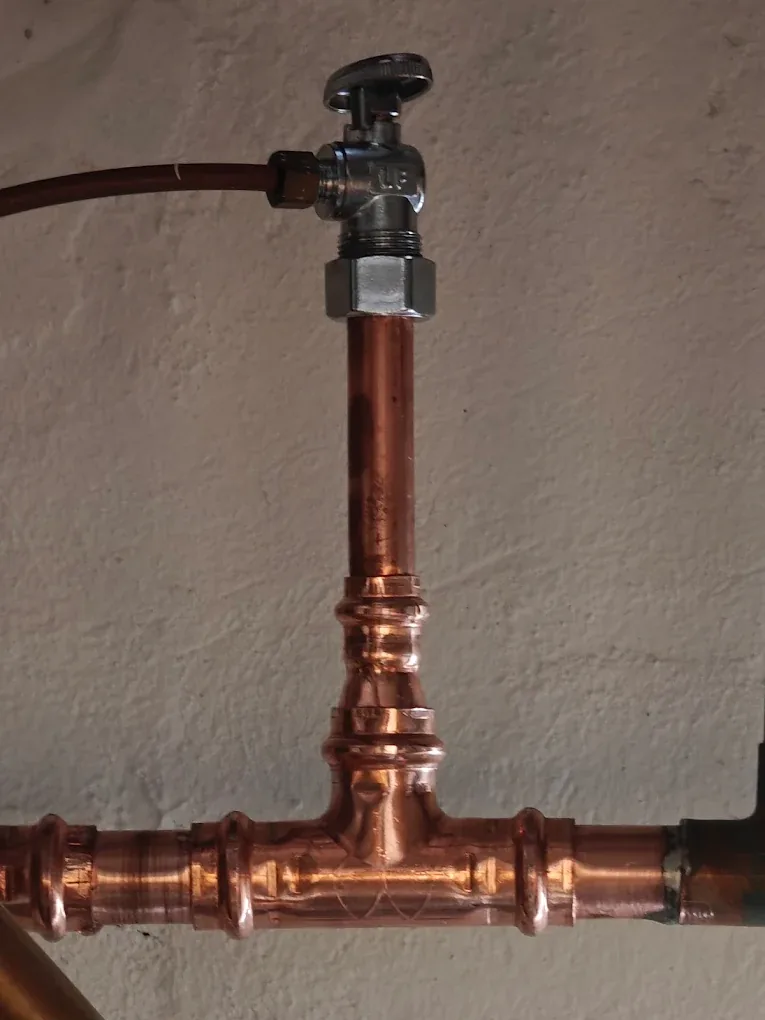
Frozen Pipe? What to Do Right Now
Frozen pipe? Step-by-step on what to do right now to prevent a burst, and when to call a 24hr Sun-Fri NJ plumber. Call (908) 376-9159.
Should You Repair or Replace Your Water Heater?
When to repair vs replace a water heater in NJ, age, cost and safety rules of thumb from a licensed plumber. Call (908) 376-9159.