
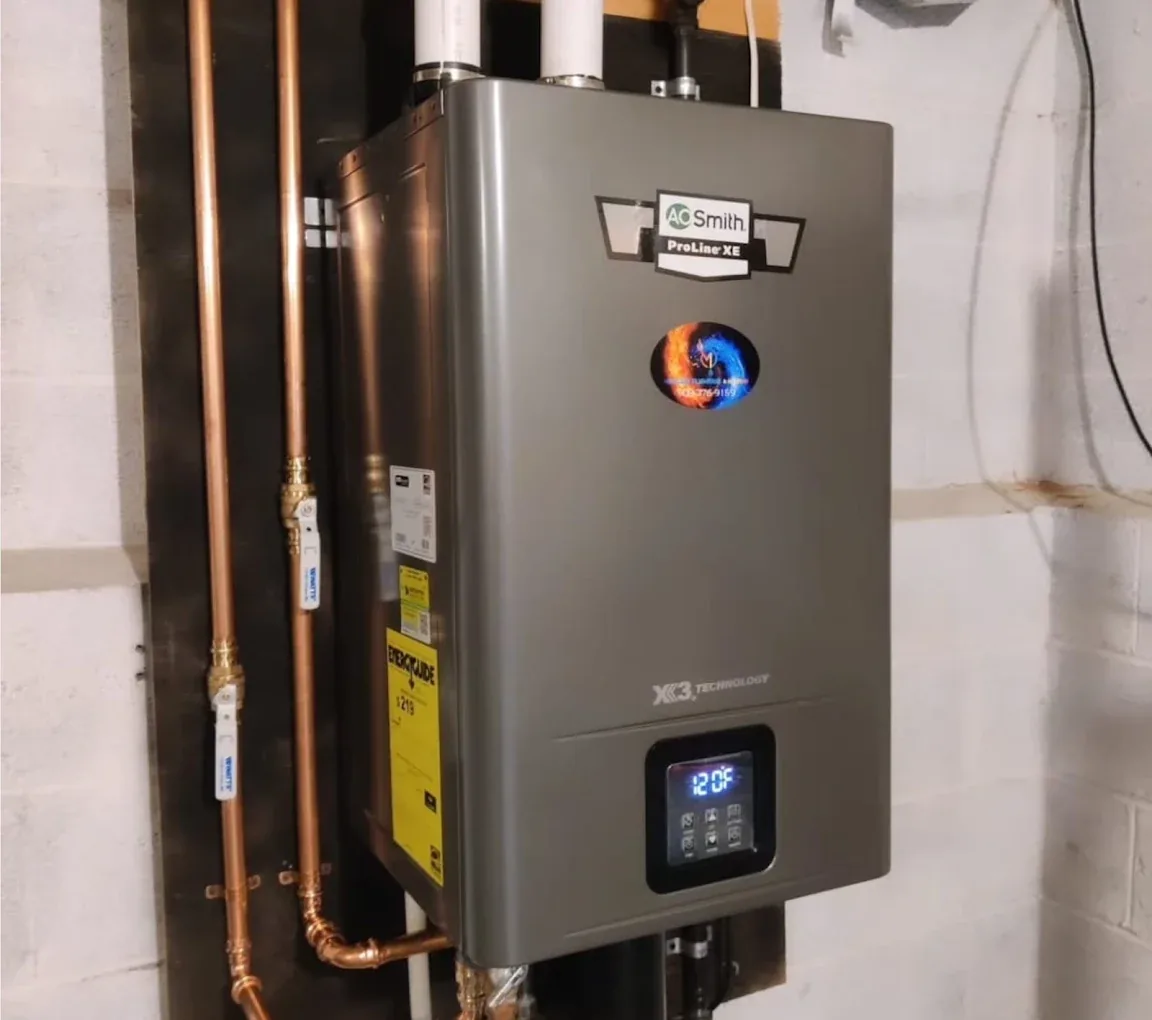
NJ plumbing & heating guide
Do You Need a Permit to Replace a Water Heater in NJ?
Yes, NJ requires a plumbing permit and inspection to replace a water heater. Here's what that means and costs.
Licensed NJ Master Plumber #13345 · 4.9★ (294 Google reviews)
By Morey Katzourin · NJ Master Plumber License #13345· Bonded & insured
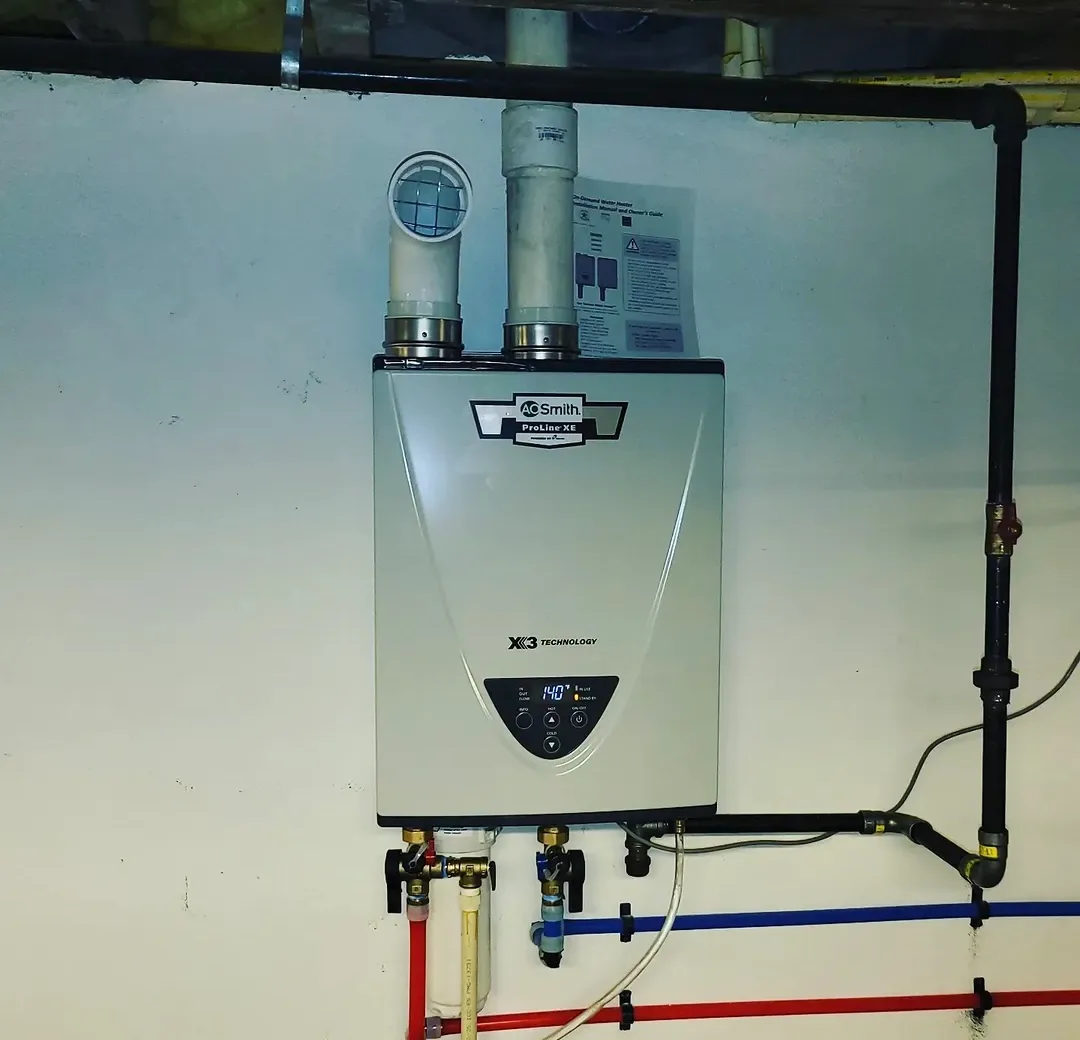
Yes, you need a permit to replace a water heater in NJ, and that is true in every municipality in the state, not just some. New Jersey regulates the work under its statewide Uniform Construction Code, and a licensed plumber has to pull the permit for a gas unit. It is easy to assume the permit is a contractor upsell, especially when a big-box installer or a handyman quotes the job cheaper without one. It is not. It is a legal requirement with a real inspection behind it, and skipping it creates problems that surface later, at resale or on an insurance claim. This guide walks through why the rule exists, who can pull the permit, what the inspector actually checks, what it costs, and what happens if you go without.
Do You Need a Permit to Replace a Water Heater in NJ?
Yes. New Jersey requires a plumbing permit to replace a water heater in every municipality, under the state Uniform Construction Code (N.J.A.C. 5:23), and a licensed plumber must pull it. The job is inspected before final approval. Maccabi Plumbing & Heating (NJ Master Plumber #13345) files the permit and schedules the inspection as part of every water-heater replacement. ()
That answer holds whether you are in West Orange, Montclair, or Clifton. The code is the same statewide. Only the office you file with changes, which is a distinction worth understanding before you hire anyone.
Why New Jersey Requires a Permit
New Jersey requires the permit because a water heater is a gas-and-pressure appliance, and the inspection exists to catch the two things that hurt people. Carbon monoxide from bad venting and scalding or a rupture from a failed safety valve. The rule sits inside the state Uniform Construction Code, N.J.A.C. 5:23, administered by the New Jersey Department of Community Affairs, Division of Codes and Standards (NJ DCA). New Jersey has adopted the National Standard Plumbing Code as its plumbing subcode, and that is the standard the installation is measured against.
The DCA regulates all construction, including the replacement of a water heater, under that statewide code. The permit is how the town verifies that a gas appliance venting flue gases inside your home was installed to that standard by someone accountable for it. That is not paperwork for its own sake. A water heater that vents poorly can put carbon monoxide into a basement where nobody is looking.
There is also a code-change angle that trips up like-for-like swaps. New Jersey's adopted plumbing code has tightened requirements over the years, most notably around thermal-expansion control on closed systems, so a heater that was perfectly compliant when it went in fifteen years ago may need an added expansion tank to pass today. That is a big reason a "just swap the same model back in" job still needs the permit and the sign-off. The standard the new install is measured against is the current one, not the one that applied to the old unit.
Who Can Pull the Permit, Homeowner or Plumber?
For a gas water heater, a licensed plumber has to pull the permit and do the work, not the homeowner. New Jersey's plumbing subcode reserves gas-fired plumbing work for licensed professionals, which is different from some states where a homeowner can permit work on their own primary residence. The safety stakes on a gas appliance are why the state draws the line there.
This is where the license number stops being marketing and starts being the thing that lets the job happen legally. Maccabi Plumbing & Heating holds NJ Master Plumber License #13345, is bonded and insured, and files the permit under that credential. When you hire a licensed master plumber for a licensed NJ water heater replacement, pulling the permit is part of what the license is for.
What the Inspector Checks
The inspector focuses on a short list of safety items, and three of them fail more DIY and handyman swaps than anything else. Even an install that "works" and makes hot water routinely fails on these
- The T&P relief-valve discharge pipe. The temperature-and-pressure valve needs a discharge pipe that runs down to within a few inches of the floor in the right material. A missing, wrong-size, or upward-run discharge pipe is the single most common failure we see.
- The expansion tank on a closed system. If your home has a pressure reducing valve or backflow preventer at the meter, the system is closed, and NJ code requires a thermal expansion tank to absorb the pressure spike when the water heats. A like-for-like swap that leaves it off will not pass.
- Gas venting and draft. Many older Essex and Passaic homes have undersized or marginal venting on atmospheric gas heaters. The inspector confirms the flue draws properly so combustion gases go up the chimney, not into the basement.
- Connections, seismic strapping where applicable, and proper shutoffs. The everyday details that a licensed install gets right by habit.
How Much Does a Water Heater Permit Cost in NJ?
The permit fee in NJ is set by the municipality, not by the plumber, and it is passed straight through to you at cost, not marked up. Because each town's construction office sets its own schedule, the exact figure differs between, say, West Orange and Clifton, but for a residential water heater it is typically a modest flat fee in the low-to-mid double or low triple digits. ()
This is the nuance most national answer boxes miss entirely. The code is statewide, but the permit is municipal. You do not file with Trenton or the state. You file with your local construction office, and West Orange, Montclair, and Clifton each run their own building department with its own forms, fee schedule, and inspector. A plumber who works these towns every week already knows each office's paperwork and how they like inspections scheduled, which is part of why the process goes smoothly when a local licensed contractor handles it and stalls when someone unfamiliar with the town tries.
A reputable plumber will show you the permit fee as its own line and not bury it. If a quote is dramatically cheaper than the others, ask directly whether a permit and inspection are included, because leaving them out is usually how the number got that low. For the full picture on the job itself, see what water heater replacement costs in NJ.
What Happens If You Replace a Water Heater Without a Permit in NJ?
An unpermitted water heater can fail a home-sale inspection, complicate an insurance claim, and force a costly re-inspection or re-work down the line. Because NJ requires the permit under N.J.A.C. 5:23, an uninspected install also means nobody independent ever confirmed the venting, the expansion tank, or the relief-valve discharge, so a real safety defect can sit hidden for years.
The resale problem is the one that catches people. When you sell, a buyer's inspector or attorney can ask for the permit and certificate of approval on recent work. If there is no record, you may have to open the wall on a closed permit, bring the install up to code, and re-inspect on the buyer's timeline, which is the worst possible moment for it. A leaking heater is stressful enough. If yours is failing right now, our 24-hour emergency plumber covers Sunday through Friday, and we handle the permit on the replacement so it is done by the book.
The Permit and Inspection Timeline
The typical sequence is apply, install, inspect, and receive the certificate of approval, and in most northern-NJ towns it moves quickly. A licensed plumber files the permit, performs the replacement, and the municipal construction office schedules the inspection, often within a few business days of the install. () The job is not truly finished until that final certificate of approval is issued, which is the document you want in your file for resale.
If you are weighing a high-efficiency upgrade at the same time, a tankless water heater installation follows the same permit-and-inspection path, with the added venting and gas-sizing checks that unit needs.
Keep the certificate of approval somewhere you can find it, because it is the proof the work was done to code, and it is exactly what a buyer's attorney or a home inspector asks for years down the road. A good plumber will make sure that document reaches you rather than letting the permit sit open. An open, uninspected permit is nearly as much of a headache at closing as no permit at all, so the finish line is the certificate, not just the install day. That is the part we track for you from filing through final sign-off.
FAQ
Frequently asked questions
24-hour, Sun–Fri availability
Not seeing your question? Call or text and a licensed plumber will talk it through, no answering service run-around.
Call or Text (908) 376-9159Yes. Every New Jersey municipality requires a plumbing permit to replace a water heater under the state Uniform Construction Code (N.J.A.C. 5:23), and a licensed plumber must pull it for a gas unit. The installation is inspected before final approval. Maccabi Plumbing & Heating (NJ Master Plumber #13345) handles both.
Keep reading
More NJ plumbing & heating guides
What Is Backflow Testing? NJ Rules Explained
Backflow testing explained for NJ. Who must test, the annual NJDEP mandate, RPZ/DCVA, and the Certificate of Compliance. Call (908) 376-9159.
Read the guide
Frozen Pipe? What to Do Right Now
Frozen pipe? Step-by-step on what to do right now to prevent a burst, and when to call a 24hr Sun-Fri NJ plumber. Call (908) 376-9159.
Should You Repair or Replace Your Water Heater?
When to repair vs replace a water heater in NJ, age, cost and safety rules of thumb from a licensed plumber. Call (908) 376-9159.