
NJ plumbing & heating guide
Why Sump Pumps Fail During Storms
Why sump pumps fail during NJ storms, power loss, stuck floats, overload, and how backups prevent flooding. Read the full guide.
Licensed NJ Master Plumber #13345 · 4.9★ (294 Google reviews)
By Morey Katzourin · NJ Master Plumber License #13345· Bonded & insured
Sump pumps fail in storms mostly for four reasons. The power goes out, the float switch gets stuck, the pump is too small for the water coming in, or the discharge line is clogged or frozen. A battery or water-powered backup prevents the most common one by far, which is power loss. This is written for NJ storm season, when the grid tends to drop exactly when groundwater peaks and the basement needs the pump most. One thing worth knowing before you buy a replacement. A "dead" pump is usually not dead. Nine times out of ten it is a float pinned against the pit wall, not a burned-out motor. Maccabi answers 24-hour, Sunday to Friday, when basements flood, and if you are looking now, our sump pump repair and replacement in NJ team handles both the emergency and the fix.
Why Is My Sump Pump Not Working? (Top Storm Causes)
Your sump pump is most likely not working because of one of these, and during a storm they show up in roughly this order
- Lost power the grid drops right when groundwater is highest, so the pump has water to move and nothing to run on.
- A stuck float switch the float is pinned against the pit wall or tangled on the cord, so the pump never gets the signal to turn on.
- A failed check valve water that was pumped up the discharge line falls back into the pit, and the pump cycles endlessly without gaining ground.
- An undersized or overwhelmed pump the inflow during a heavy storm simply exceeds what the pump can move per hour.
- A clogged or frozen discharge line the water has nowhere to go, so the pump runs but dead-heads against a blocked pipe.
- An old or worn motor the pump has aged out and finally quits under load.
Notice that only the last one is actually a broken pump. The rest are conditions you can often check and fix, which is exactly why jumping straight to "buy a new pump" wastes money for a lot of NJ homeowners.
Flooding now? Call 24-hour (Sun-Fri. Closed Sat & Sun) (908) 376-9159
The #1 Cause. Power Loss, and the Backup That Fixes It
Power loss is the number one reason sump pumps fail in storms, and the timing is cruel. Northern NJ storms, whether it is a nor'easter or the remnants of a tropical system like the flooding Ida brought, knock out power at the same moment the ground is saturated and water is pouring into the pit. Your primary pump is a great tool that happens to need electricity right when the storm just took it away.
A backup pump is the honest fix for this, not an upsell. There are two kinds. A battery backup is a second pump with its own deep-cycle battery that kicks in automatically when the primary loses power or cannot keep up. A water-powered backup runs off your home's municipal water pressure and has no battery to maintain, which makes it appealing where city water pressure is reliable, though it does use water while running. For most homes in the Passaic-Clifton corridor, a battery backup is the straightforward answer. The primary pump handles everyday water. The backup exists for the one night the power is out and the basement is at stake.
One caution on battery backups. The battery is a wear item, not a set-and-forget part. A flooded lead-acid battery loses capacity over a few years, and a backup that has not been tested since it was installed is often a dead battery with a green light on the controller. If you go this route, note the battery's date and plan to replace it on schedule, and run the backup on battery power once a season to confirm it actually moves water. A backup that cannot run for the full length of a multi-hour outage is only half a solution, so size the battery to the length of storm you realistically get, not the shortest one.
How to Check a Sump Pump Yourself (Before It Storms)
You can test a sump pump in about five minutes, and the best time is a dry afternoon before the forecast turns, not while water is rising. Do this
- Pour a bucket of water into the pit. The float should rise, the pump should kick on, move the water, and shut off. If it does, the basics work.
- Free the float. Reach in and make sure the float moves up and down freely and is not pressed against the pit wall or hung up on the pump cord. This is the most common "failure" there is.
- Check the check valve. That is the one-way valve on the discharge pipe. If water keeps draining back into the pit after the pump stops, the valve is failing.
- Clear the discharge line. Walk outside and confirm the pipe where the water exits is not clogged with debris, crushed, or (in winter) frozen shut.
- Listen to the motor. A healthy pump runs with a steady hum. Grinding, buzzing with no water movement, or dead silence with a raised float tells you where to look next.
If the float was the problem, you just saved yourself a pump. If the pump hums but no water moves, suspect the discharge or the check valve before you condemn the motor.
How to Reset a Sump Pump
To reset a sump pump, unplug it for a few seconds and plug it back in, then check the breaker for that outlet in your panel. Many pumps share a GFCI outlet that trips during storms, so also press the reset button on the outlet itself if it has one. Then make sure the float switch moves freely and is not pinned against the pit wall or tangled on the cord. If it still will not run, or the pit is filling faster than the pump can clear it, stop troubleshooting and call a plumber.
Why NJ Basements Flood, and Which Homes Are Most at Risk
NJ basements flood most in the low-lying, high-groundwater parts of the state, and the Passaic River basin is ground zero. Passaic, Clifton, and parts of Bloomfield sit where heavy rain and a rising river table push water toward and into basements, and those are the towns that generate the heaviest basement-flooding calls after a big storm. The Federal Emergency Management Agency notes that even a few inches of water in a basement can cause tens of thousands of dollars in damage, which is why FEMA's flood guidance recommends a sump pump with battery backup power for at-risk homes.
The homes most at risk share a profile. An older house with an undersized or decade-old primary pump and no backup at all. That setup is fine for a routine rainy week and completely inadequate for a real storm. Most sump pumps last about ten years (pump manufacturer service-life guidance, e.g. Zoeller and Liberty), so if yours came with the house and you have owned it a while, it may already be living on borrowed time. Age matters more than it looks. A pump can pass a bucket test on a calm day and still stall out an hour into a real storm, because the motor bearings and the switch that survive light duty are the first things to give up under continuous load. If you cannot remember when the pump went in, assume it is closer to the end of its life than the start.
Preventing Storm Failure. Backup, Sizing, and Maintenance
Preventing a storm-day failure comes down to three things. A backup for power loss, a pump sized for your actual inflow, and yearly maintenance so nothing seizes when it counts. Address the power problem with a battery or water-powered backup, since that is the cause you cannot control by any other means. Get the sizing right by matching pump capacity in gallons per hour to how fast your pit fills during a heavy rain, an undersized pump is one that runs constantly and still loses the race. Then service it once a year. Test the float, clean the pit of gravel and silt, confirm the check valve holds, and consider a high-water alarm so you hear about a problem before the carpet does.
If your setup involves sewage rather than groundwater, that is a different pump entirely. Our sewage ejector pump service page covers those. And if you want the basics of how the system works, start with how a sump pump works.
Get a battery backup installed contact us to talk through the right backup for your basement.
Does Insurance Cover Sump Pump Failure?
Standard homeowners insurance usually does not cover sump pump failure or a flooded basement unless you have added a specific water-backup endorsement. Groundwater intrusion and sewer or sump backup are typically excluded from the base policy, and coverage terms vary a lot between insurers. The practical takeaway. Check your policy language before storm season and ask your agent about a water-backup rider. A working backup pump is the cheaper first line of defense, and it prevents the loss instead of reimbursing part of it after the fact.
FAQ
Frequently asked questions
24-hour, Sun–Fri availability
Not seeing your question? Call or text and a licensed plumber will talk it through, no answering service run-around.
Call or Text (908) 376-9159The most common storm cause is lost power, the grid drops exactly when groundwater peaks. Other causes are a stuck float switch, a failed check valve, a pump too small for the water volume, or a clogged or frozen discharge line. A battery or water-powered backup prevents the power-loss failure.
Keep reading
More NJ plumbing & heating guides
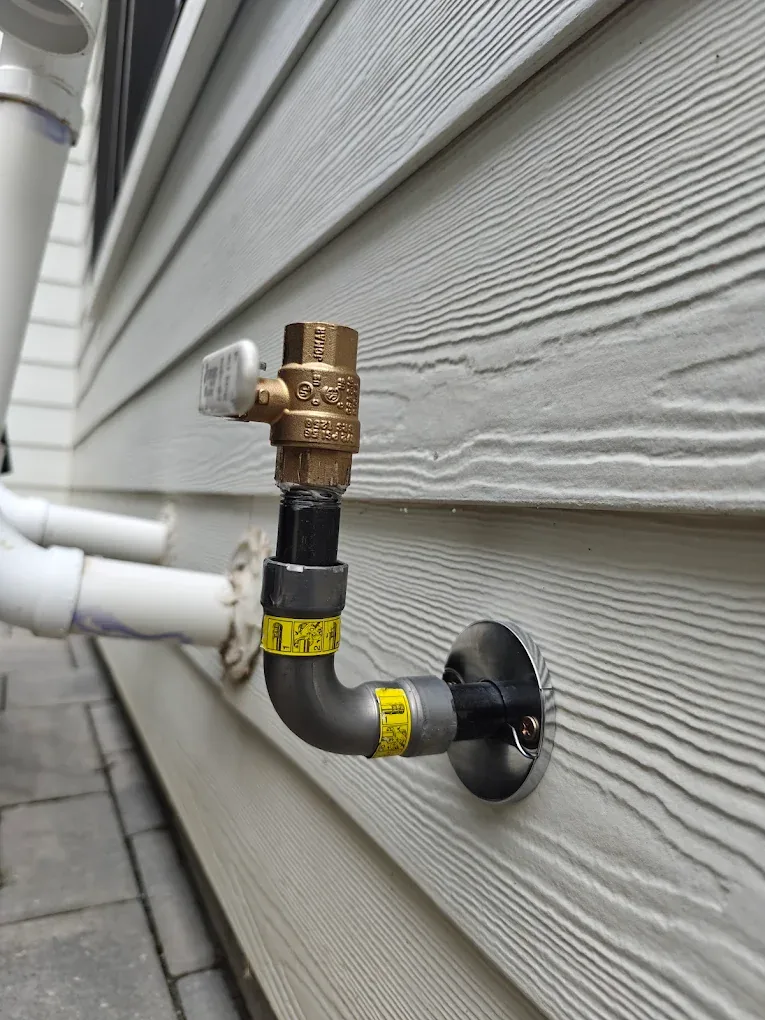
What Is Backflow Testing? NJ Rules Explained
Backflow testing explained for NJ. Who must test, the annual NJDEP mandate, RPZ/DCVA, and the Certificate of Compliance. Call (908) 376-9159.
Read the guide
Frozen Pipe? What to Do Right Now
Frozen pipe? Step-by-step on what to do right now to prevent a burst, and when to call a 24hr Sun-Fri NJ plumber. Call (908) 376-9159.
Should You Repair or Replace Your Water Heater?
When to repair vs replace a water heater in NJ, age, cost and safety rules of thumb from a licensed plumber. Call (908) 376-9159.