NJ plumbing & heating guide
Sewer Backup in the Basement. What to Do, Who Pays, How to Stop It
Sewage backing up in your basement? What to do first, whether the town or you pay in NJ, insurance, and how to stop it happening again.
Licensed NJ Master Plumber #13345 · 4.9★ (294 Google reviews)
By Morey Katzourin · NJ Master Plumber License #13345· Bonded & insured
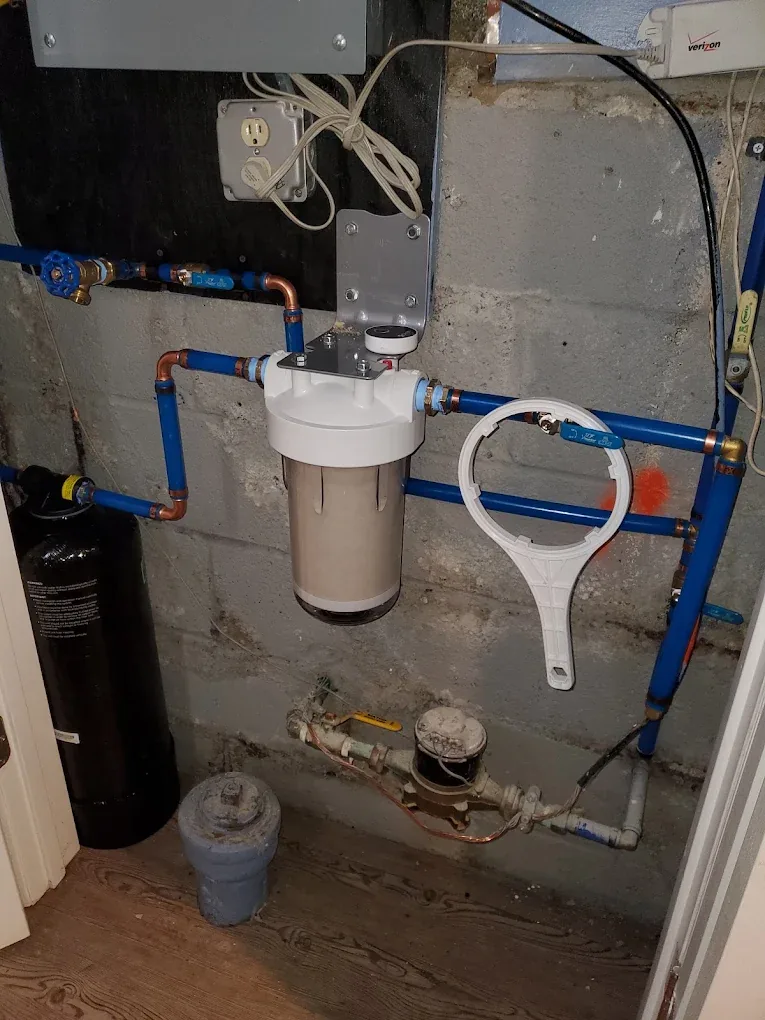
If sewage is backing up into your basement, stop using all water in the house right away, keep people and pets away from the water, and find out whether the blockage is in your own sewer line or the town's main. In most New Jersey towns, the homeowner owns and maintains the sewer lateral, which is the pipe running from the house all the way to the municipal main, and the town is responsible for the main itself. That one fact decides who you call first and who pays. This guide walks through the first hour, how to tell whose problem it is, what insurance usually covers, what the repair costs, and how to stop it happening again. We are a licensed NJ Master Plumber (License #13345), bonded and insured, and we clear and repair sewer lines across Essex, Passaic, Morris, Bergen, and Union counties.
The First Hour: What to Do Right Now
Work through these in order.
- Stop using water. Do not flush toilets, run taps, start the dishwasher, or do laundry. Every gallon you send down the drain has nowhere to go but your basement floor drain.
- Keep everyone out of the water. Sewage carries bacteria and viruses. Keep children and pets away, and wear rubber boots and gloves if you have to go near it.
- Watch out for electricity. If water is near outlets, appliances, a furnace, or an electrical panel, do not wade in. If you can reach the main breaker safely from a dry spot, turn it off. If you cannot, call for help.
- Check whether neighbors have the same problem. If houses on your street are backing up too, the town's main is probably blocked. If it is only your house, the problem is almost certainly your own lateral.
- Call the right people. For a suspected main blockage, call your town's Department of Public Works. Many towns route after-hours sewer calls through the police non-emergency line. For a problem in your own line, call a licensed plumber or drain cleaning service.
- Photograph everything before and after cleanup, and keep a list of damaged items. Your insurer will want both.
Is It My Line or the Town's Main?
This is the question that decides who pays. In a typical NJ township, the sewer system has two parts:
- The municipal main runs under the street and carries waste from the whole neighborhood. The town owns and maintains it.
- The sewer lateral connects your house to that main. In most NJ towns, the property owner owns and maintains it, including the section under the sidewalk and street.
Verona's Department of Public Works puts it clearly in its residents' guide to sewer backups. The sewer lateral is owned and maintained by the property owner from the house to the township main, including any portion in the street. If the township main is blocked, the township repairs it. If the main is clear, the blockage is the owner's responsibility and the owner should call a licensed plumber or drain cleaning service. Rules can differ slightly from town to town, so check with your own municipality, but that split is the norm across our service area.
Clues that point to your lateral:
- Only your house is affected.
- Water comes up the lowest drain first, usually a basement floor drain or a basement toilet.
- Toilets gurgle when you run the washing machine or a tub drains.
- It has happened before, especially after heavy rain or in the fall when tree roots are active.
Clues that point to the town main:
- Several neighbors have backups at the same time.
- It started during a major storm and street flooding.
- Public Works crews are already on your street.
If you are not sure, the town will often send a crew to check the main first. If the main is running clear, the next step is clearing your line and running a camera through it.
Why Sewer Lines Back Up
Most backups in northern New Jersey come down to a short list of causes.
Tree roots. The old clay and cast-iron laterals under pre-war homes in West Orange, Montclair, Maplewood, and South Orange have joints every few feet. Roots find tiny gaps, grow inside, and catch everything that passes. Root problems tend to come back every year or two until the pipe is repaired or relined.
Grease, wipes, and paper products. Cooking grease hardens in the line. So-called flushable wipes do not break down the way toilet paper does. Paper towels and feminine products snag on roots and joints. Together they build a plug.
Collapsed or bellied pipe. Old cast iron corrodes from the inside out, clay cracks, and pipes can sag over decades, creating a low spot, called a belly, where waste collects.
Storm overload. Heavy rain can overwhelm the municipal system, especially where storm water gets into sanitary sewers. It also explains why towns prohibit connecting sump pumps, French drains, and roof leaders to the sanitary sewer.
Our guide on how to tell if your sewer line is broken covers the warning signs in more detail.
Warning Signs Before a Full Backup
Most sewer backups give a warning first. Catching these early turns an emergency into a scheduled repair.
- Gurgling toilets when the washing machine drains or a tub empties.
- Water rising in the shower or tub when you flush a toilet.
- Several slow drains at once, rather than a single slow sink.
- A sewage smell near the basement floor drain or outside near the cleanout.
- Wet, lush patches of lawn over the path of the sewer line, which can mean a leak underground.
- Repeated clogs that come back weeks after being cleared, a classic sign of root intrusion.
If you notice two or more of these together, have the line cleared and camera-inspected before it backs up into the basement.
Cleaning Up Safely
Sewage is a health hazard, and a careful cleanup matters as much as the plumbing repair.
- Wear rubber boots, gloves, and eye protection. Open windows if you can.
- Remove standing water with a wet vacuum or pump once the line is clear, not before.
- Remove and discard porous items that sewage has soaked: carpet, padding, cardboard, upholstered furniture, and often the bottom of drywall.
- Wash hard surfaces with detergent and then disinfect them.
- Disinfect and flush affected fixtures and floor drains.
- Have appliances, a furnace, or a water heater checked before using them if water reached their controls or burners.
For anything more than a small spill, a professional water damage restoration company is worth the call, and your insurer may require one.
Does Insurance Cover a Sewer Backup?
Often not, unless you added coverage. Many standard homeowners policies exclude sewer and drain backup damage. Most insurers offer a sewer backup endorsement, also called a water backup rider, for an extra premium, and some offer separate service line coverage for repairing the pipe itself. Call your agent before you need it and ask two questions. Am I covered for damage caused by a sewer or drain backup? Am I covered for repairing my sewer lateral?
If the town's main caused the backup, you may be able to file a claim with the municipality. Towns typically have a formal process and deadlines, so notify your insurer and ask the township clerk or manager's office how to file. Keep your photos, invoices, and the plumber's findings, including camera footage, because they show where the blockage was.
What a Sewer Backup Costs in NJ
Costs depend entirely on what is causing the backup. Typical northern NJ market ranges look like this, not a fixed Maccabi quote:
| Situation | Typical NJ range |
|---|---|
| Emergency clearing of a backed-up line | About $350 to $1,000+ |
| Camera inspection of the lateral | Often added to a clearing visit |
| Spot repair of one cracked or offset section | About $3,000 to $8,000 |
| Full lateral replacement, trenchless or open-cut | About $8,000 to $25,000+ |
The camera inspection is what keeps the cost honest. Clearing a line restores flow, but a camera shows why it clogged. Roots coming through one joint call for a spot repair. A lateral full of cracks or a long belly calls for replacement. Our sewer line replacement cost guide explains trenchless versus open-cut work, and our emergency plumber cost guide covers after-hours pricing.
How to Stop It Happening Again
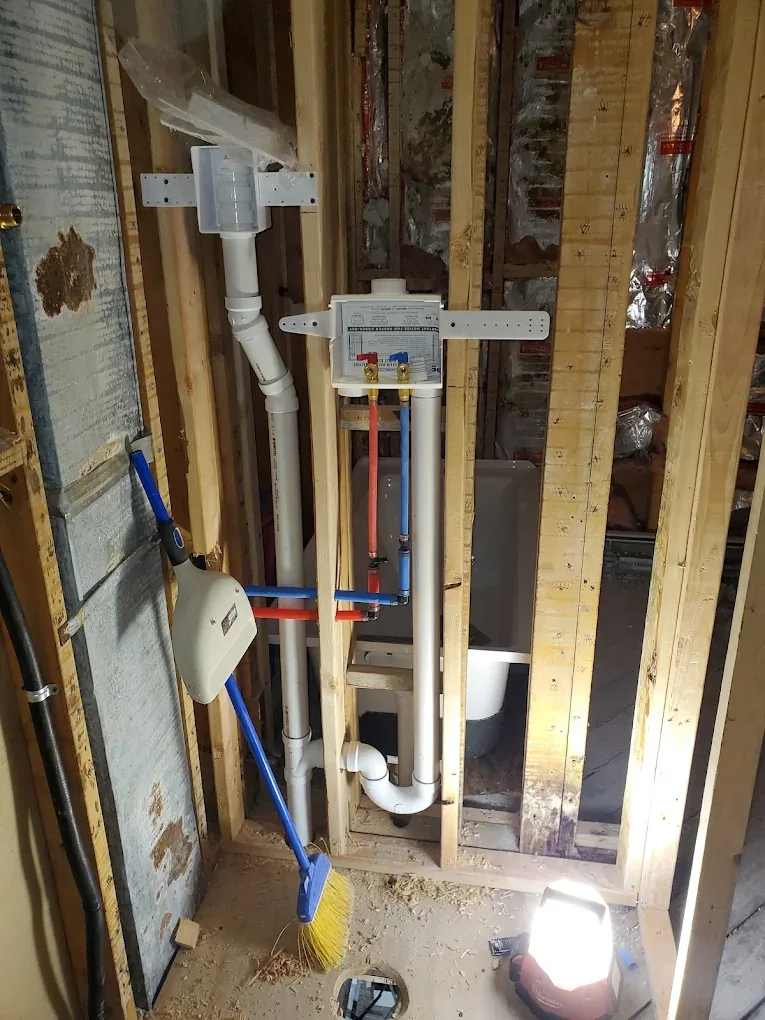
Install a backwater valve. A backwater valve, sometimes called a backflow valve on the sewer line, lets waste flow out but closes if sewage tries to flow back in. In homes with basement fixtures and a history of backups, it is one of the most effective protections available, and it usually goes in at or near the cleanout. As Verona's guide notes, property owners are responsible for installing and maintaining backwater valves.
Get the lateral inspected. Verona recommends having your sewer lateral inspected every five to ten years, depending on the age of the home. A camera inspection is quick, and it finds root intrusion and cracks before they turn into a flooded basement.
Deal with roots properly. Cutting roots restores flow, but they grow back. If a camera shows recurring root intrusion, a spot repair or a full lining job is usually cheaper over a few years than repeated emergency visits.
Watch what goes down the drain. No grease down the sink, no wipes, paper towels, or feminine products in the toilet, even if the package says flushable.
Disconnect illegal connections. If a sump pump, French drain, or downspout is tied into your sanitary sewer, it should be rerouted. It overloads the system during storms, and towns prohibit it.
Consider an ejector pump for basement fixtures. In some homes, basement bathrooms and laundry sit below the level of the street sewer. A properly installed sewage ejector pump lifts waste up to the main and protects those fixtures from backups.
When to Call a Plumber
Call a licensed plumber right away if sewage is coming up any drain, if more than one fixture is draining slowly at the same time, if toilets gurgle when other fixtures drain, or if you smell sewage in the basement. A single slow sink is usually just a local clog. Several slow fixtures together point to the main line.
We answer 24 hours a day, Sunday through Friday, and we are closed Saturday. If a backup happens when we cannot come out, we will tell you plainly and walk you through limiting the damage until we can.
FAQ
Frequently asked questions
24-hour, Sun–Fri availability
Not seeing your question? Call or text and a licensed plumber will talk it through, no answering service run-around.
Call or Text (908) 376-9159In most New Jersey towns, the homeowner owns and maintains the sewer lateral from the house to the municipal main, including any part under the street, and the town maintains the main. If the main is blocked, the town repairs it. If the main is clear, the blockage is in your lateral and is your responsibility. Check your own town's rules, because details vary.
Keep reading
More NJ plumbing & heating guides
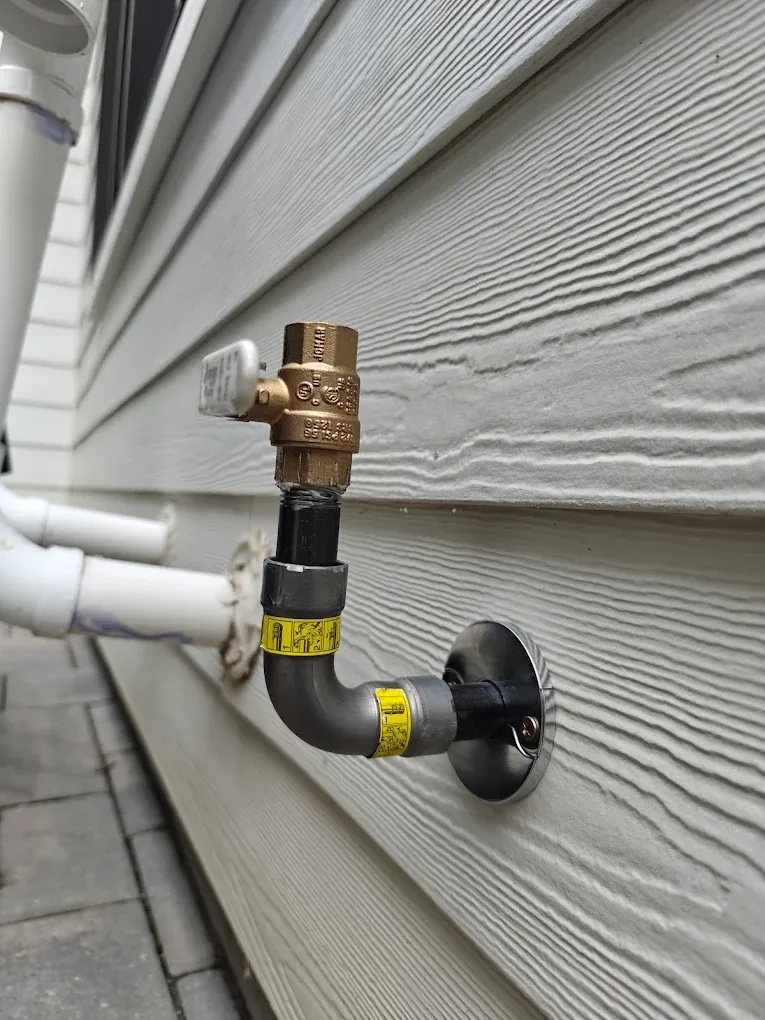
What Is Backflow Testing? NJ Rules Explained
Backflow testing explained for NJ. Who must test, the annual NJDEP mandate, RPZ/DCVA, and the Certificate of Compliance. Call (908) 376-9159.
Read the guide
Frozen Pipe? What to Do Right Now
Frozen pipe? Step-by-step on what to do right now to prevent a burst, and when to call a 24hr Sun-Fri NJ plumber. Call (908) 376-9159.
Should You Repair or Replace Your Water Heater?
When to repair vs replace a water heater in NJ, age, cost and safety rules of thumb from a licensed plumber. Call (908) 376-9159.