
NJ plumbing & heating guide
Signs Your Water Heater Is Going Bad
8 signs your water heater is going bad, rusty water, rumbling, leaks, age, and when to replace it in NJ.
Licensed NJ Master Plumber #13345 · 4.9★ (294 Google reviews)
By Morey Katzourin · NJ Master Plumber License #13345· Bonded & insured
The clearest signs your water heater is going bad are rusty or brown hot water, a rumbling or popping sound from the tank, hot water that runs out fast, and any puddle or rust at the base. Age matters too. A conventional storage tank usually gives you 8 to 12 years, and the U.S. Department of Energy notes most tank models last about a decade before replacement beats repair. Here in Essex and Passaic County, hard water pushes many tanks toward the lower end of that range. One thing most homeowners misread. That rumble is not the tank "settling," it is sediment the burner has to fire through, and lukewarm water that empties quickly usually means sediment stole your tank's capacity, not that the burner died. A licensed NJ plumber can tell you in one visit whether a flush and a part fix it or whether it is genuinely time.
Signs Your Water Heater Is Going Bad
Watch for rusty hot water, rumbling or popping from the tank, water that turns lukewarm or runs out early, leaks or moisture at the base, and a unit older than 8 to 12 years. Discolored or metallic-tasting hot water, temperatures that swing hot to cold, and creeping energy bills round out the list. One or two minor signs often point to a repair. Several signs plus age usually means replacement.
8 Warning Signs Your Water Heater Is Failing
- Rusty or brown hot water. If the rust shows up only on the hot side and your cold water runs clear, the corrosion is inside the tank or the anode rod is spent. That is a tank problem, not a municipal supply problem.
- Rumbling or popping noises. A hardened sediment layer sits on the tank bottom and the burner has to heat through it. The pops are water pockets boiling under the crust. It wastes gas and cooks the steel.
- Hot water runs out fast or never gets fully hot. When sediment builds up, it takes up space that used to hold hot water. You are not imagining shorter showers. The tank is holding less usable water than it did.
- Water pooling or moisture at the base. A steady puddle means a tank seam or the bottom has corroded through. Tanks do not reseal. Once the steel weeps, replacement is the only real fix.
- The unit is 8 to 12 years old (or older). Age alone is not a death sentence, but age plus any other sign on this list shifts the math heavily toward replacing.
- Discolored or metallic-tasting hot water. A faint metal taste or cloudy tint on the hot side points to interior corrosion and a failing anode rod.
- Temperature that swings. Hot then cold then hot again usually traces to a failing thermostat, a bad heating element (electric), or heavy sediment interfering with the burner.
- Higher gas or electric bills and slow recovery. When the heater fights through sediment to warm the water, it runs longer and costs more. A recovery time that keeps getting slower is the tank telling you it is working harder for less.
Why Water Heaters Fail (Sediment, Corrosion, and the Anode Rod)
Most tank failures come down to two things working against the steel. Sediment and corrosion. Northern NJ water carries a lot of dissolved minerals, and when that water is heated, the minerals drop out and settle on the tank floor as scale. The burner underneath now has to push heat through a growing crust of sediment before it ever reaches the water. That overheats the steel directly above the flame, and overheated steel corrodes and weakens faster. The popping you hear is small pockets of water flashing to steam under that crust.
The anode rod is the part standing between your tank and an early grave. It is a sacrificial metal rod screwed into the top of the tank, and corrosion attacks it instead of the tank walls, on purpose. Once the rod is eaten away, the corrosion moves to the steel. Manufacturers like Rheem, Bradford White, and A.O. Smith and the DOE both recommend periodic tank flushing and anode-rod checks for exactly this reason. In hard-water towns, that maintenance window is shorter than the manuals assume.
Here is the tell people get wrong. When your hot water goes lukewarm and empties fast, the instinct is "the element burned out" or "the burner is weak." Usually the real answer is capacity loss. Sediment has filled the bottom third of the tank, so there is simply less room for hot water. Catch that early and a flush plus a fresh anode buys you real years. Let it ride and the overheated, corroded steel eventually leaks, and then there is nothing left to save.
Which Signs Are Fixable vs "Time to Replace"?
Not every warning sign means you need a new tank, and an honest plumber will tell you which camp you are in. Fixable problems include a bad thermostat, a failed heating element on an electric unit, a stuck or leaking temperature and pressure (T&P) relief valve, a faulty gas valve or pilot, and heavy sediment that a flush can clear. A worn anode rod is a replaceable part, not a dead tank, if you catch it before the walls corrode.
Then there is the replace column. A tank that is leaking or puddling at the base has failed structurally, and no repair reseals corroded steel. Rust coming through the tank wall, a corroded base, or a cracked tank all point the same direction. And when a unit is over 10 to 12 years old and showing several signs at once, spending money on repairs is usually throwing good money after bad. The judgment call is the middle ground, and that is where a licensed set of eyes earns its keep.
How Long Should a Water Heater Last in NJ?
A conventional tank water heater typically lasts 8 to 12 years, and the U.S. Department of Energy notes most storage models last around a decade before replacement makes more sense than repair. That range assumes decent water and some maintenance. Our region's hard water works against both, so a lot of local tanks land at the earlier end unless they have been flushed and had the anode checked.
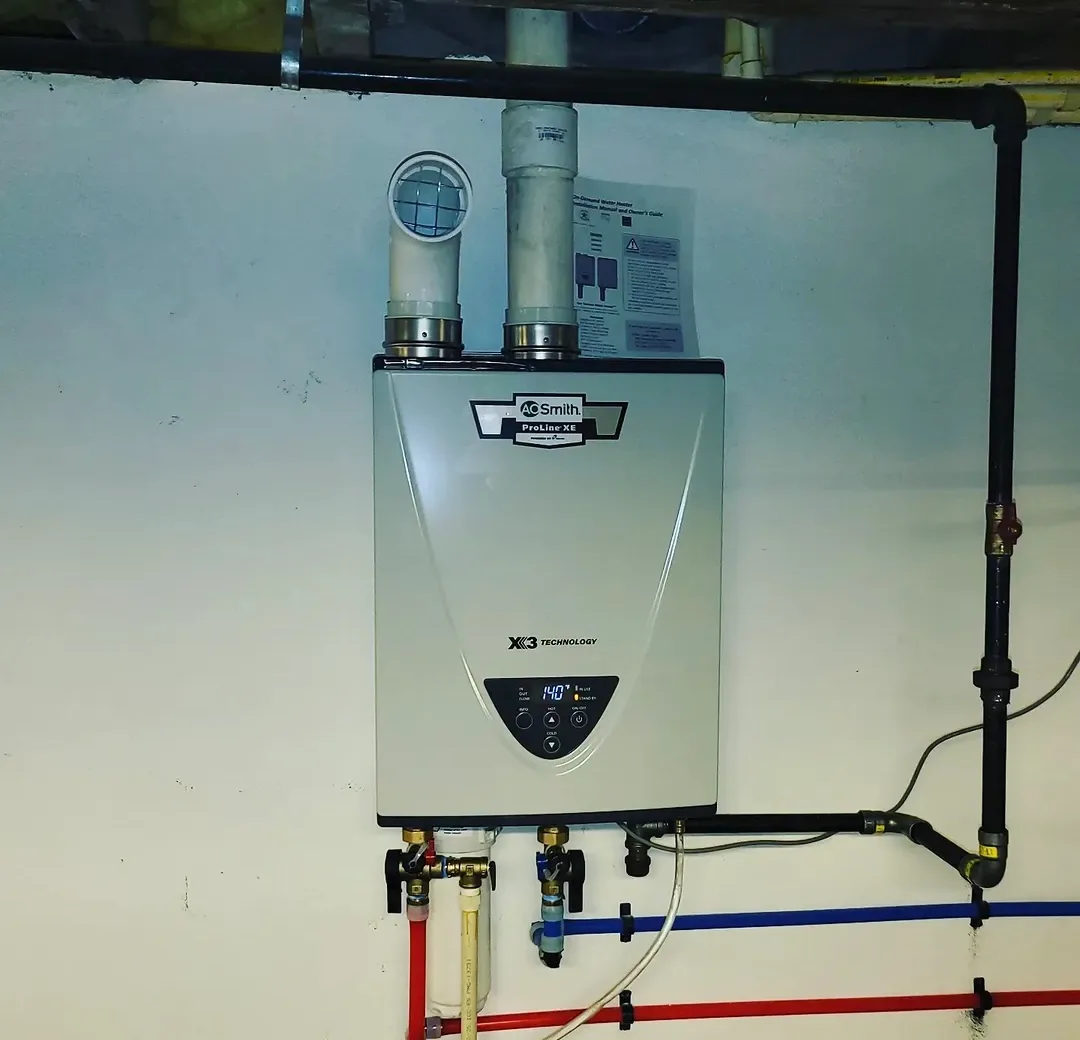
Tankless units are a different story. The DOE reports demand-type (tankless) water heaters can last 20 or more years, roughly double a tank's life, which is worth weighing if yours is already due and you are deciding what to put back in. It is not the right answer for every home or budget, but on a like-for-like replacement it changes the long-term math. If you want the deeper breakdown, we cover how long a water heater lasts and the trade-offs of a tankless water heater installation separately.
Repair or Replace? (And Roughly What It Costs)
The repair-or-replace decision comes down to three questions. How old is the tank, is it leaking, and how many signs are stacking up. A 6-year-old tank with a bad thermostat or a spent anode is an easy repair. A 12-year-old tank that is rumbling, giving you rusty water, and weeping at the base is a replacement, and paying to patch it just delays the inevitable.
Costs vary with tank size, fuel type, whether it is a straight swap or needs code updates, and gas versus electric versus tankless. Rather than quote a number that may not fit your setup, we keep the full breakdown on our water heater replacement cost in NJ page so you can see current ranges before anyone comes out. If you would rather just get a straight answer, call and we will tell you honestly which way to go.
Get a straight repair-or-replace answer. Call (908) 376-9159.
When to Call a Licensed NJ Plumber
A leaking or puddling water heater is a call-now situation, because the tank has already failed and a slow weep can become a flood. Maccabi Plumbing & Heating is a licensed NJ plumbing contractor (NJ Master Plumber License #13345), bonded and insured, offering 24-hour emergency service, Sunday through Friday. We are closed Saturday, so if a tank lets go over the weekend, shut off the water and gas or power to the unit and call us first thing Monday. For anything actively flooding, our 24-hour emergency plumber line is the fastest route during the week.
We handle both sides of this water heater repair and replacement in NJ for tanks, tankless, gas, and electric. Maccabi Plumbing & Heating is based at 300 Executive Drive in West Orange, Essex County, and serves homes across Essex, Passaic, Morris, Bergen, and Union counties. If your tank is showing two or more of the signs above, do not wait for the leak. An early flush and anode swap costs a fraction of a flood cleanup plus a new heater.
Book water heater service in NJ (908) 376-9159, or schedule water heater service online.
FAQ
Frequently asked questions
24-hour, Sun–Fri availability
Not seeing your question? Call or text and a licensed plumber will talk it through, no answering service run-around.
Call or Text (908) 376-9159A conventional tank water heater typically lasts 8 to 12 years, per the U.S. Department of Energy, and tankless models can last 20 or more years. Northern NJ's hard water speeds up sediment buildup and anode-rod wear, so many local tanks reach the lower end. If yours is over 10 years old and showing warning signs, plan for replacement.
Keep reading
More NJ plumbing & heating guides
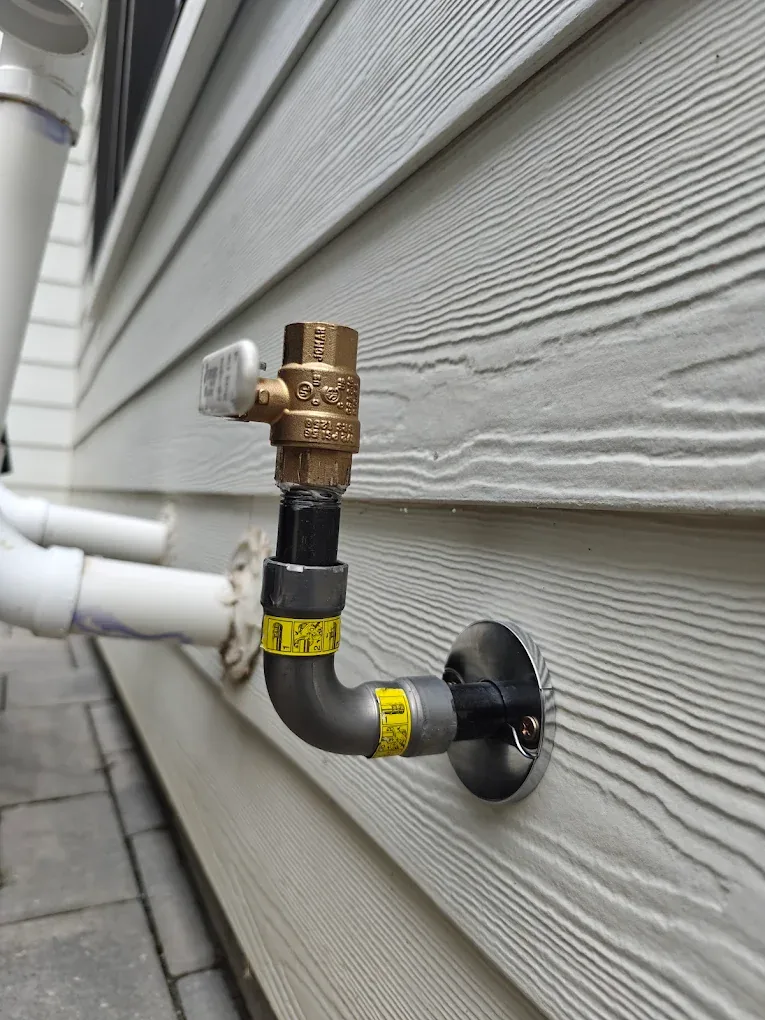
What Is Backflow Testing? NJ Rules Explained
Backflow testing explained for NJ. Who must test, the annual NJDEP mandate, RPZ/DCVA, and the Certificate of Compliance. Call (908) 376-9159.
Read the guide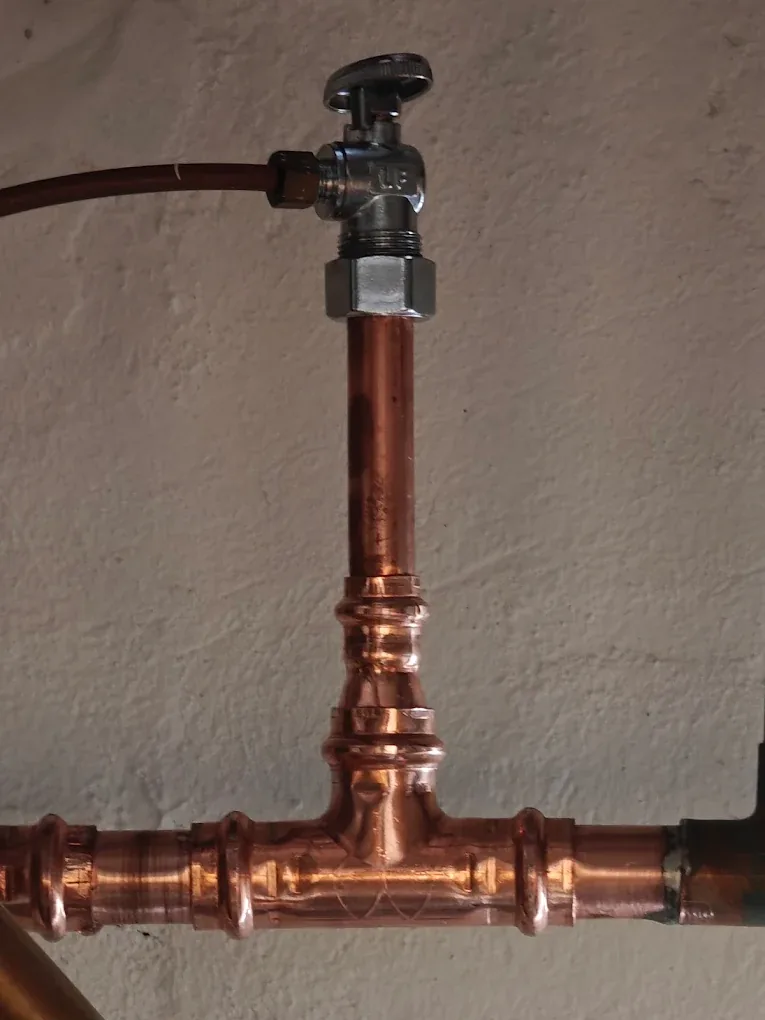
Frozen Pipe? What to Do Right Now
Frozen pipe? Step-by-step on what to do right now to prevent a burst, and when to call a 24hr Sun-Fri NJ plumber. Call (908) 376-9159.
Should You Repair or Replace Your Water Heater?
When to repair vs replace a water heater in NJ, age, cost and safety rules of thumb from a licensed plumber. Call (908) 376-9159.