NJ plumbing & heating guide
What Counts as a Plumbing Emergency? Call Now or Wait?
Which plumbing problems need an emergency plumber now and which can wait until morning, plus what to do while you wait. NJ guide.
Licensed NJ Master Plumber #13345 · 4.9★ (294 Google reviews)
By Morey Katzourin · NJ Master Plumber License #13345· Bonded & insured
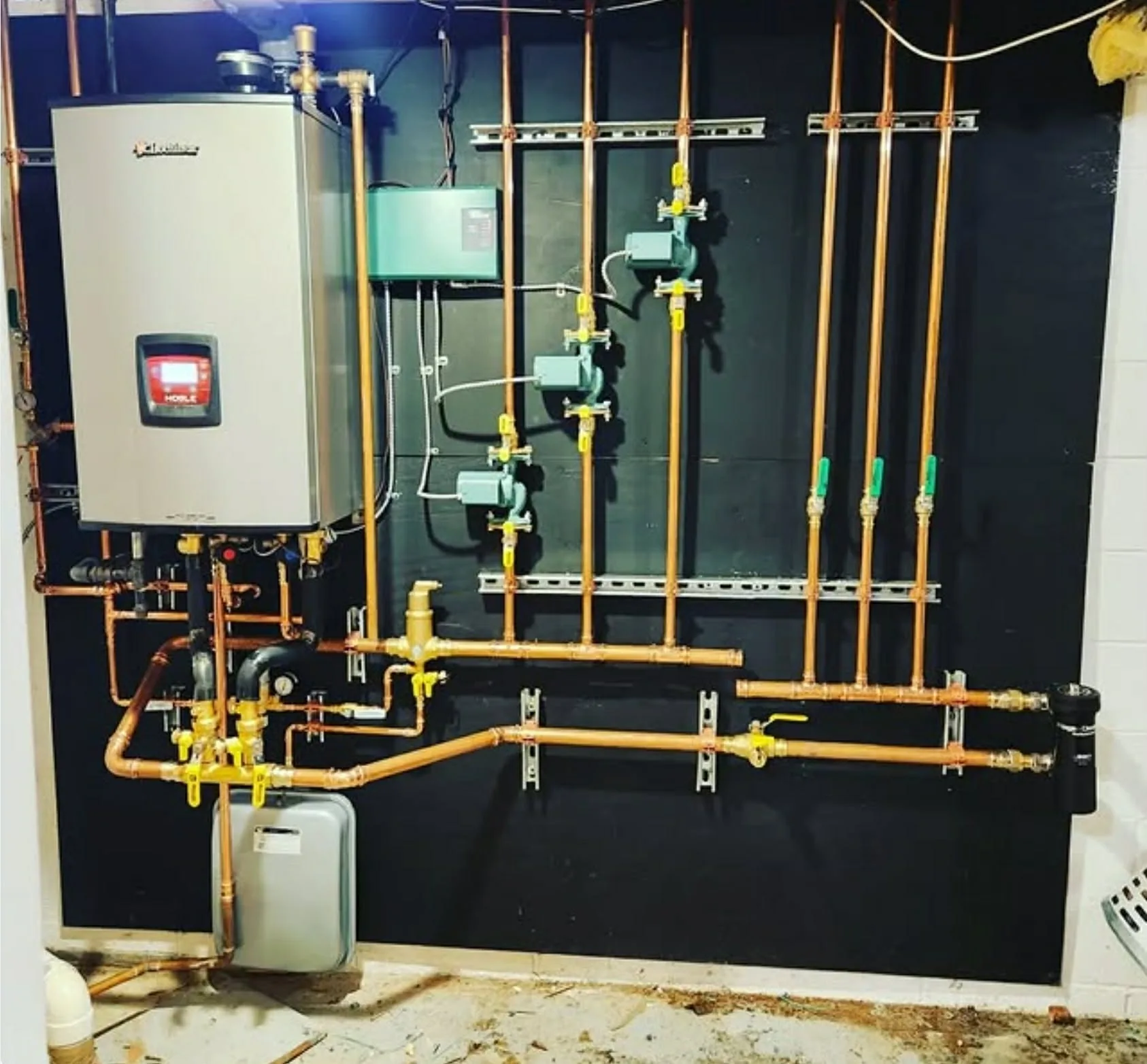
A plumbing emergency is any problem that is causing water damage right now, threatens health or safety, or will get much worse and more expensive within hours. That covers a burst or leaking pipe you cannot stop, sewage backing up, a gas smell, no heat in freezing weather, a water heater leaking from the tank, flooding near electrical equipment, and a total loss of water. Most other problems, like a slow drain, a dripping faucet, a running toilet, or one clogged fixture when others work, can safely wait for a regular appointment. Knowing the difference saves you money, because after-hours service costs more, and it protects your home, because waiting on a real emergency costs far more than the call. We are a licensed NJ Master Plumber (License #13345), bonded and insured, and this is the same triage we use on the phone with homeowners across northern New Jersey.
The 30-Second Test
Ask yourself three questions.
- Is water going somewhere it should not, and can I stop it? If water is spreading and you cannot stop it with a fixture shut-off valve, it is an emergency.
- Is anyone's health or safety at risk? Gas, sewage, no heat for vulnerable people, or water near electricity all count.
- Will waiting until morning make it much worse? A pipe that may freeze overnight, a sump pump failing in a storm, or a slow leak into a ceiling are all problems that get expensive by the hour.
If the answer to any of these is yes, call now. If all three are no, it can usually wait.
Call Now: True Plumbing Emergencies
| Problem | Why it cannot wait | First thing to do |
|---|---|---|
| Burst or split pipe | Hundreds of gallons per hour into walls and floors | Shut off the main water valve |
| Gas smell | Fire and explosion risk | Leave, then call the gas utility and 911 from outside |
| Sewage backing up | Health hazard, spreads fast | Stop using all water |
| No heat in freezing weather | Pipes can freeze within hours | Protect pipes, call |
| Water heater leaking from the tank | Tank failure, flooding | Shut off water and power or gas to the heater |
| Flooding near electrical panel or outlets | Shock and fire risk | Stay out of the water, cut power only if safe |
| Sump pump failed during heavy rain | Basement flooding | Call, move valuables up |
| No water at all in the house | Could be a main line break | Check with neighbors and the water utility |
| Water leaking through a ceiling | Ceiling collapse, hidden damage | Shut off the water, put a bucket under it |
Burst Pipes
A burst pipe is the classic emergency, and in northern NJ it usually happens during or right after a hard freeze. Shut off your main water valve immediately, then open a cold tap on the lowest floor to drain pressure. If you do not know where the main is, find it today, before you need it. Our guide to how to shut off your water main shows where it usually is in NJ homes, and our guide on what to do about frozen pipes covers thawing safely.
Gas Smell
If you smell rotten eggs, this is not a plumbing call first. Get everyone out, do not flip switches or use anything that sparks, and call your gas utility's emergency line and 911 from outside. In our service area that is usually PSE&G, Elizabethtown Gas, or New Jersey Natural Gas. Once the utility has made the area safe, a licensed plumber handles the repair and the pressure test. See our gas leak detection service.
Sewage Backup
Sewage coming up a floor drain, a basement toilet, or a tub is both a health hazard and a plumbing emergency. Stop using water so you do not add to it. Check whether neighbors have the same problem, because that points to the town's main. Our full guide to a sewer backup in the basement covers who pays and how to clean up safely.
No Heat in Freezing Weather
A boiler that quits on a mild October night can wait for morning. One that quits when it is 15 degrees outside cannot. A cold house can freeze pipes within hours, and infants, older people, and anyone with a health condition are at real risk. Our guide on a boiler running but no heat walks through what you can safely check while help is on the way.
Water Heater Leaking From the Tank
A drip from a fitting or the relief valve pipe is urgent but manageable. Water coming from the tank body itself means the tank has failed and can let go completely. Shut off the cold water supply valve on top of the heater, turn the gas control to "off" or switch off the breaker for an electric unit, and call. Our guide to the signs your water heater is going bad explains the difference.
Sump Pump Failure in a Storm
If your sump pump stops during heavy rain, the basement can flood within an hour. Check that it has power and that the float is not stuck, then call. See why sump pumps fail in storms for the common causes.
It Can Usually Wait: Schedule a Regular Visit
These problems are annoying but rarely cause damage overnight. Booking a normal appointment saves you after-hours rates.
- A slow drain in one sink, tub, or shower.
- A dripping faucet. It wastes water, but slowly.
- A running toilet. Turn off the supply valve behind the toilet and use it as needed.
- One clogged toilet, when another toilet in the house works.
- Low water pressure at one fixture, often a clogged aerator or showerhead.
- A noisy water heater that still makes hot water.
- A small leak you can stop by closing the fixture's shut-off valve.
The Gray Zone: When It Depends
Some problems sit in the middle, and the right call depends on the details.
A clogged toilet. If it is the only toilet in the house, or it is overflowing and will not stop, call now. If you have a second working bathroom, it can usually wait.
A leak under a sink. If the shut-off valve under the sink stops it, schedule a visit. If the valve will not close, or water keeps coming, shut off the main and call.
No hot water. In summer, with a working shower at the gym, it can wait for morning. In winter, with a newborn in the house, it is more urgent. If water is pooling around the heater, it is an emergency either way.
Several slow drains at once. Slow drains in more than one fixture, especially with gurgling toilets, point to a main line blockage that can turn into a sewage backup. Treat it as urgent.
Plumbing Emergencies by Season in Northern NJ
Emergencies in this part of New Jersey follow the calendar, and knowing what is coming helps you head them off.
Winter (December to March). Frozen and burst pipes, no-heat calls, and failed boilers dominate. The worst stretches are arctic cold snaps, when temperatures sit in the teens for days and pipes along exterior walls, in crawlspaces, and in unheated garages freeze. Older homes in towns like Montclair and South Orange, with uninsulated basements and original plumbing, are especially exposed. Our guide to preventing frozen pipes in older NJ homes covers the fixes.
Spring (March to May). Snowmelt and spring storms raise the water table, and sump pumps that sat idle all winter get tested hard. This is also when outdoor spigots that were not shut off for the winter reveal a split pipe the first time someone turns on the hose.
Summer (June to August). Sudden heavy thunderstorms overload municipal sewers and storm drains, causing basement backups and sump pump failures. Water heaters that were already struggling often give out under a full house of summer guests.
Fall (September to November). Tree roots are at their most active in sewer laterals, so main line clogs and sewage backups climb. It is also boiler start-up season, when systems that have not run since spring show their problems on the first cold night. A fall boiler service avoids most of those calls.
What to Do While You Wait for the Plumber
- Shut off the water. Use the fixture valve if it works, or the main if it does not.
- Cut power to anything wet, only if you can reach the breaker without standing in water.
- Turn off the water heater if the main is off for a long time. A gas heater goes to "pilot" or "off." An electric heater gets its breaker switched off.
- Move valuables off the floor and away from leaks.
- Soak up what you can with towels and a wet vacuum, except sewage, which needs gloves and care.
- Take photos for your insurer before and during cleanup.
- Open taps to drain pressure after shutting off the main for a burst pipe.
What an Emergency Plumber Costs in NJ
After-hours work costs more than a scheduled visit, and an honest plumber tells you how much before arriving. In northern New Jersey, typical emergency repair ranges run about $400 to $1,500 or more for a burst pipe, $300 to $1,200 or more for a no-heat call, $350 to $1,000 or more for a sewage backup, and $500 to $2,000 or more for a water heater flood. Those are market ranges, not a sight-unseen quote. Our emergency plumber cost guide breaks down trip fees, after-hours premiums, and what drives the final number.
The bigger number is usually the damage you prevent. A pipe that leaks into a finished basement overnight can mean new drywall, flooring, and mold remediation, which is why calling early on a genuine emergency is almost always the cheaper choice.
Our Hours, Honestly
We answer 24 hours a day, Sunday through Friday, and we are closed Saturday. A real person picks up, not an answering service. If you call with something that can safely wait, we will tell you, and book you in at regular rates. If a true emergency comes up while we are closed, we will tell you plainly and walk you through protecting your home until we can get there.
How to Prepare Before an Emergency Happens
- Find your main water shut-off and make sure it turns. Old gate valves often seize, and we can replace one with a quarter-turn ball valve.
- Label the shut-offs for the water heater and boiler.
- Know where your sewer cleanout is, usually a capped pipe in the basement floor or near the foundation outside.
- Test your sump pump before storm season by pouring a bucket of water into the pit.
- Keep a plumber's number saved in your phone before you need it.
FAQ
Frequently asked questions
24-hour, Sun–Fri availability
Not seeing your question? Call or text and a licensed plumber will talk it through, no answering service run-around.
Call or Text (908) 376-9159A plumbing emergency is a problem causing water damage now, threatening health or safety, or getting much worse within hours. Burst pipes, uncontrolled leaks, sewage backups, gas smells, no heat in freezing weather, water heaters leaking from the tank, flooding near electricity, and a total loss of water are all emergencies.
Keep reading
More NJ plumbing & heating guides
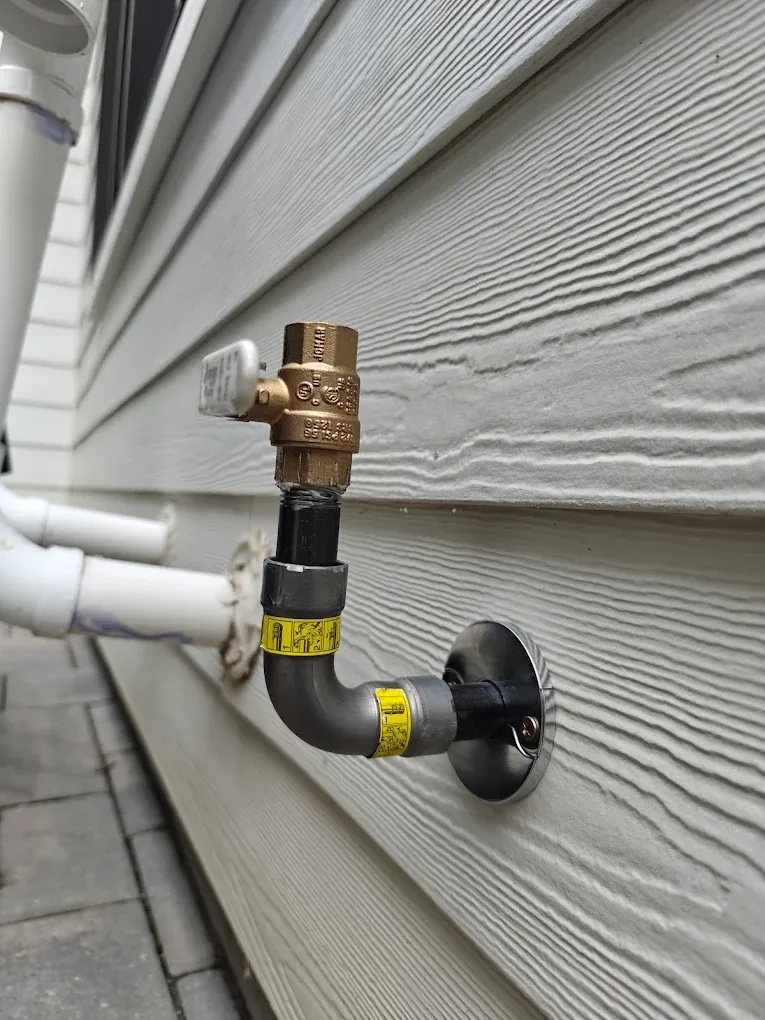
What Is Backflow Testing? NJ Rules Explained
Backflow testing explained for NJ. Who must test, the annual NJDEP mandate, RPZ/DCVA, and the Certificate of Compliance. Call (908) 376-9159.
Read the guide
Frozen Pipe? What to Do Right Now
Frozen pipe? Step-by-step on what to do right now to prevent a burst, and when to call a 24hr Sun-Fri NJ plumber. Call (908) 376-9159.
Should You Repair or Replace Your Water Heater?
When to repair vs replace a water heater in NJ, age, cost and safety rules of thumb from a licensed plumber. Call (908) 376-9159.